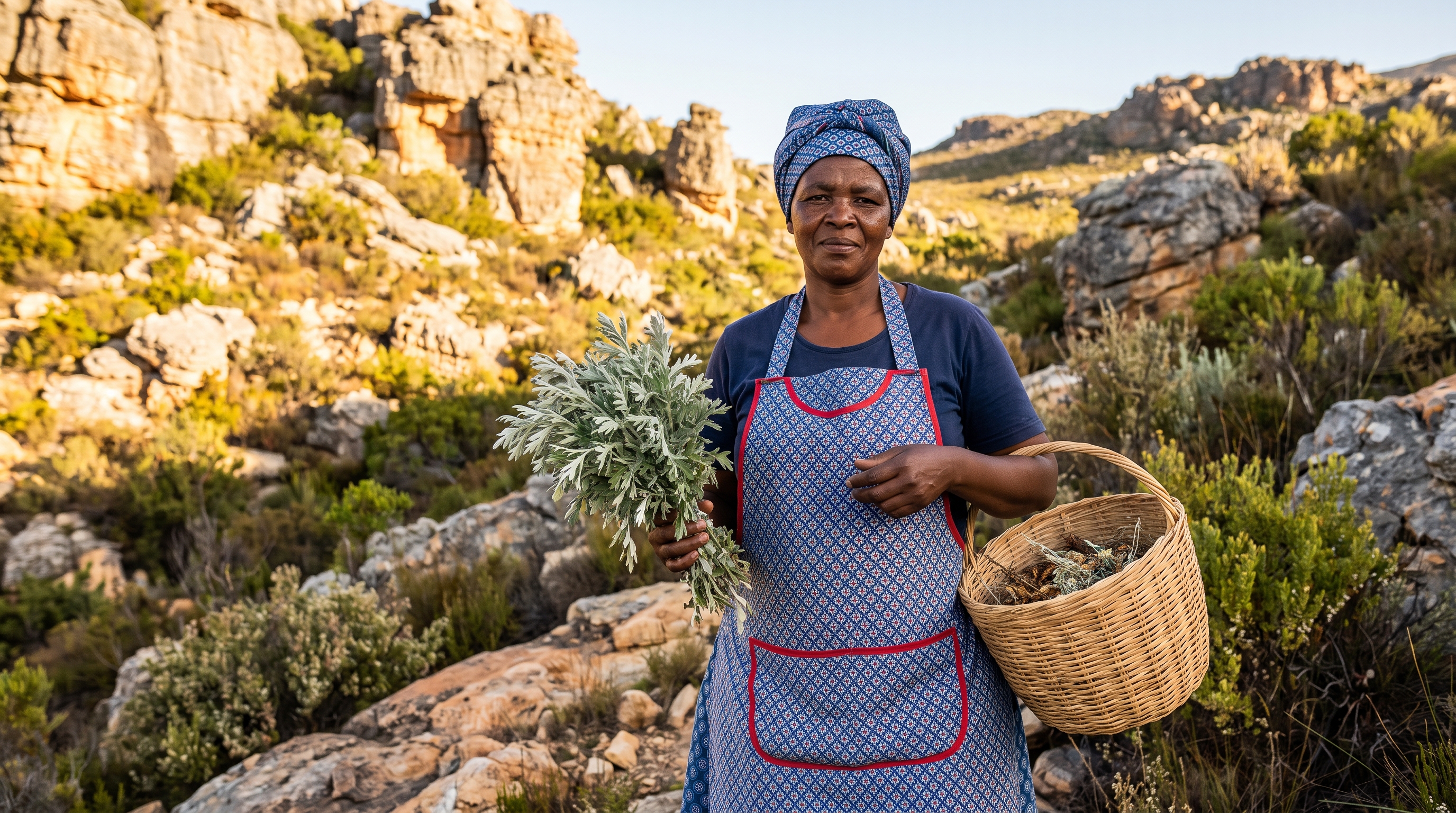
Artemisia afra — known commonly as African wormwood, wild wormwood, or by its isiXhosa name Umhlonyane — is one of the most widely used and culturally significant medicinal plants in Southern Africa. Unlike its better-known cousin Artemisia annua (the source of artemisinin, the Nobel Prize-winning antimalarial compound), A. afra is indigenous to Africa and has been a cornerstone of traditional healing practices for centuries. Across diverse communities from the Western Cape to the highlands of Ethiopia, this hardy aromatic shrub has been employed to support respiratory health, digestive function, and immune resilience during seasonal changes.
As global interest in plant-based immune support continues to grow — driven in part by a search for sustainable, accessible wellness solutions — researchers are turning their attention to the pharmacognosy of Artemisia afra. What they are finding is a botanical with a remarkably complex phytochemical profile that may rival many of the world's most studied medicinal plants. In this article, we explore the traditional heritage, scientific validation, and modern research applications of this extraordinary African botanical.
Botanical Profile and Traditional Uses
Artemisia afra is a perennial shrub in the Asteraceae family, growing up to two metres in height with distinctive feathery, grey-green leaves that release a powerful camphoraceous aroma when crushed. It thrives throughout the mountainous and grassland regions of Southern and Eastern Africa, from South Africa and Zimbabwe up through Kenya and Ethiopia. The plant's characteristic scent comes from a rich essential oil profile containing thujone, camphor, 1,8-cineole, and α-pinene — volatile compounds that contribute significantly to its biological activity.
Traditional use of Artemisia afra is remarkably consistent across different African cultures. It is most commonly prepared as an infusion (tea) taken orally for colds, coughs, fevers, and congestion. Topical preparations — poultices and washes — are applied to wounds, skin irritations, and inflamed joints. Evidence of this traditional knowledge is documented in ethnobotanical research available through PubMed. The plant is also widely used in steam inhalation therapies for respiratory congestion — a practice supported by the high concentration of volatile oils with expectorant properties. In many communities, it is one of the first remedies reached for when seasonal immune challenges arise.
Phytochemistry and Immunomodulatory Activity
Modern phytochemical analysis has revealed that Artemisia afra contains a diverse array of bioactive compounds, including sesquiterpene lactones, flavonoids, coumarins, polyacetylenes, and essential oils. The primary constituents that have attracted scientific interest include:
- Sesquiterpene lactones: These compounds, including various guaianolides and germacranolides, have demonstrated anti-inflammatory activity in laboratory studies. They appear to modulate the NF-κB pathway, a key regulator of the inflammatory response.
- Flavonoids: Compounds such as luteolin, quercetin, and kaempferol derivatives contribute significant antioxidant activity, helping to neutralise free radicals and reduce oxidative stress at the cellular level.
- Essential oils: The volatile fraction — rich in 1,8-cineole, camphor, and α-thujone — exhibits antimicrobial properties against a range of respiratory pathogens and supports mucociliary clearance in airway tissues.
A 2023 review of Artemisia afra pharmacology indexed on the National Library of Medicine highlighted the plant's promising immunomodulatory potential. The review noted that extracts of A. afra appear to influence both innate and adaptive immune responses, including modulation of macrophage activity and cytokine production. This aligns closely with the plant's traditional use as a broad-spectrum immune-supporting remedy. Additionally, studies published in the Journal of Ethnopharmacology have documented its antimicrobial activity against common respiratory pathogens, providing a mechanistic basis for its reputation in managing seasonal ailments.
Respiratory Health and Antimicrobial Research
One of the most robust areas of Artemisia afra research concerns its respiratory and antimicrobial properties. Given its traditional use for coughs, colds, and chest congestion, several studies have investigated whether the plant's bioactive constituents can directly inhibit respiratory pathogens and support airway health.
Laboratory studies have demonstrated that Artemisia afra extracts exhibit activity against a range of bacteria including Staphylococcus aureus, Escherichia coli, and Pseudomonas aeruginosa — common causes of respiratory and wound infections. The essential oil fraction, in particular, shows broad-spectrum antimicrobial activity, likely due to the synergistic action of multiple volatile compounds rather than any single constituent. Clinical trials registered on ClinicalTrials.gov continue to explore the safety and efficacy of Artemisia species for respiratory applications.
For researchers investigating the intersection of traditional botanicals and modern respiratory health, Artemisia afra offers a compelling subject. Its mechanisms — antioxidant, antimicrobial, and anti-inflammatory — are distinct from but complementary to those found in other African botanicals such as Buchu (Agathosma betulina), which targets urinary and anti-inflammatory pathways, and Rooibos, which provides potent antioxidant support. Together, these plants represent a rich pharmacopoeia of immune-supporting botanicals native to Southern Africa.
Comparison with Artemisia Annua and Research Compounds
It is important to distinguish Artemisia afra from Artemisia annua (sweet wormwood), the species from which artemisinin is derived for modern antimalarial therapy. While both species share some phytochemical characteristics — including the presence of sesquiterpene lactones and flavonoids — their dominant constituents differ significantly. A. afra contains lower levels of artemisinin but higher concentrations of essential oils and other bioactive compounds that contribute to its distinct therapeutic profile.
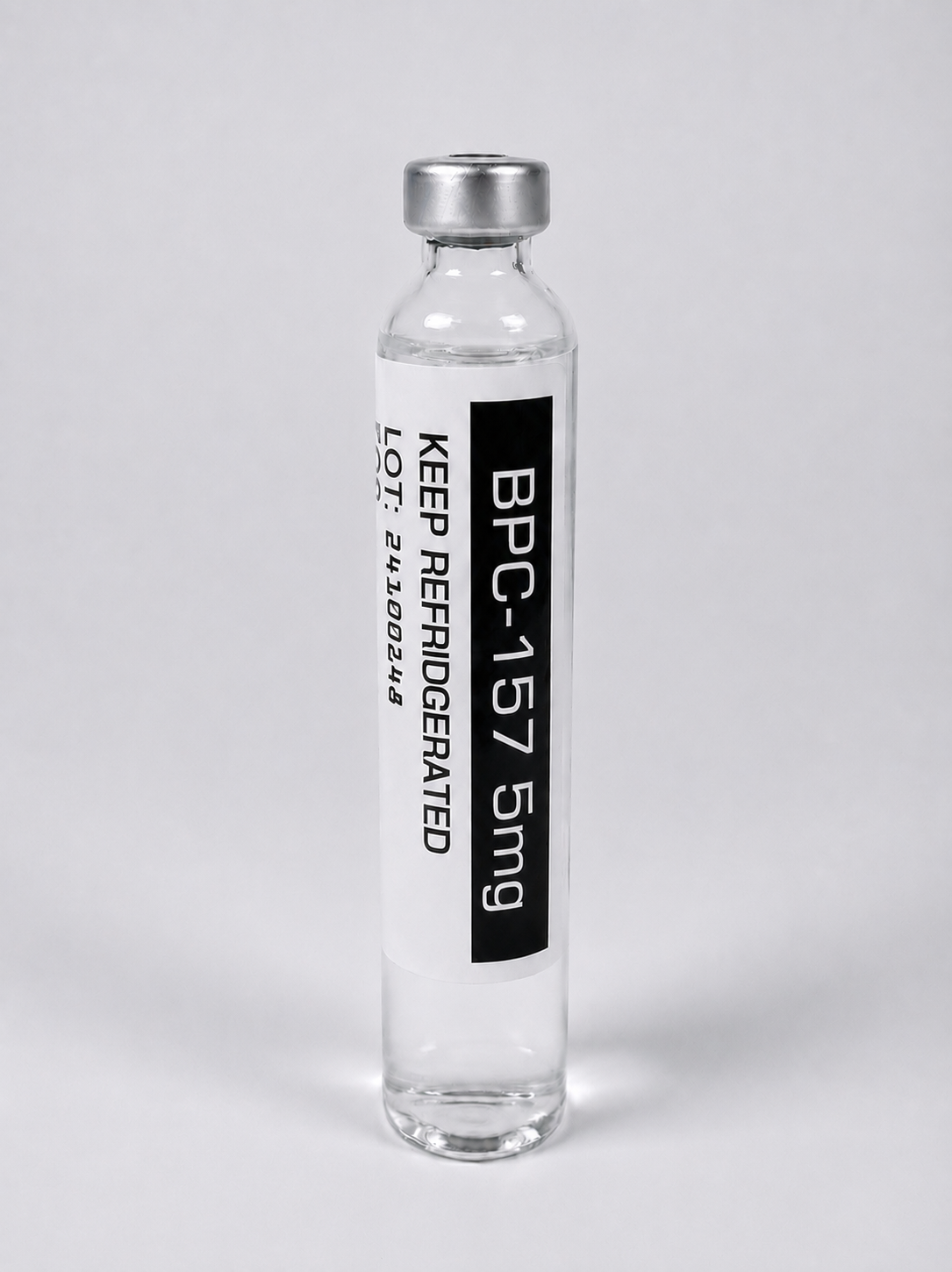
Some researchers are now exploring how traditional botanicals like Artemisia afra can be studied alongside modern research compounds in integrative protocols. For instance, the anti-inflammatory pathways activated by A. afra's sesquiterpene lactones may complement the tissue repair mechanisms of BPC-157 in recovery-focused research, while its antioxidant profile could synergise with NAD+ in cellular health investigations. This convergence of traditional botanical knowledge and modern peptide science represents an exciting frontier for regenerative and immunomodulatory research. Learn more about these approaches in our guide to peptide therapy research.
BioMuti's Commitment to Botanical Research
At BioMuti, we honour the deep traditional knowledge that has preserved plants like Artemisia afra for generations, while simultaneously advancing the scientific rigor needed to validate and understand their mechanisms. Our commitment is to provide researchers with the highest quality materials — both botanical and peptide-based — for laboratory investigation. Whether you are studying plant-derived immunomodulators, exploring peptide-botanical synergies, or investigating cellular repair mechanisms, our comprehensive product range is designed to support quality research outcomes.
For laboratories and institutions requiring bulk materials, our wholesale program offers tiered pricing and batch consistency guarantees. We also invite researchers to explore our growing library of articles on African botanicals, including our overview of African botanical traditions and our deep dive into Buchu's immune-supporting properties.
Artemisia afra stands as a testament to the wisdom of Africa's indigenous healing traditions — a plant whose value has been recognised for centuries and whose scientific potential is only now being fully appreciated. At BioMuti, we are proud to play a role in bridging that ancient knowledge with the tools of modern research.