Peptide stacking — the practice of combining two or more research compounds in a coordinated protocol — has emerged as one of the most sophisticated approaches in regenerative science. Rather than relying on a single peptide's mechanism, stacking aims to exploit the synergistic interactions between different compounds to produce outcomes that exceed what any individual peptide can achieve alone. For researchers exploring tissue repair, metabolic health, and cellular regeneration, understanding the principles of stacking is essential to designing effective experimental protocols.
In this guide, we explore the science behind peptide stacking, examine the most well-researched combinations, and discuss important considerations for researchers designing their own protocols using compounds available through the BioMuti range.
The Science Behind Peptide Synergy
Synergy occurs when two or more compounds interact to produce an effect greater than the sum of their individual contributions. In peptide research, synergy can arise through several mechanisms. Some peptides act on complementary pathways — for example, one compound may promote angiogenesis while another stimulates cellular migration, together creating a more complete regenerative response. Others may modulate pharmacokinetics, where one peptide improves the stability or bioavailability of another. A third mechanism involves receptor crosstalk, where activation of one receptor pathway sensitises cells to signalling through another.
The concept of peptide synergy is supported by a growing body of published literature. Research indexed on PubMed and the National Library of Medicine documents how combinations of growth factors and signalling peptides can enhance wound healing, collagen deposition, and angiogenesis beyond what single-factor treatments achieve. Understanding these interactions is critical for researchers designing multi-compound protocols.
The BPC-157 + TB-500 Stack: The Gold Standard
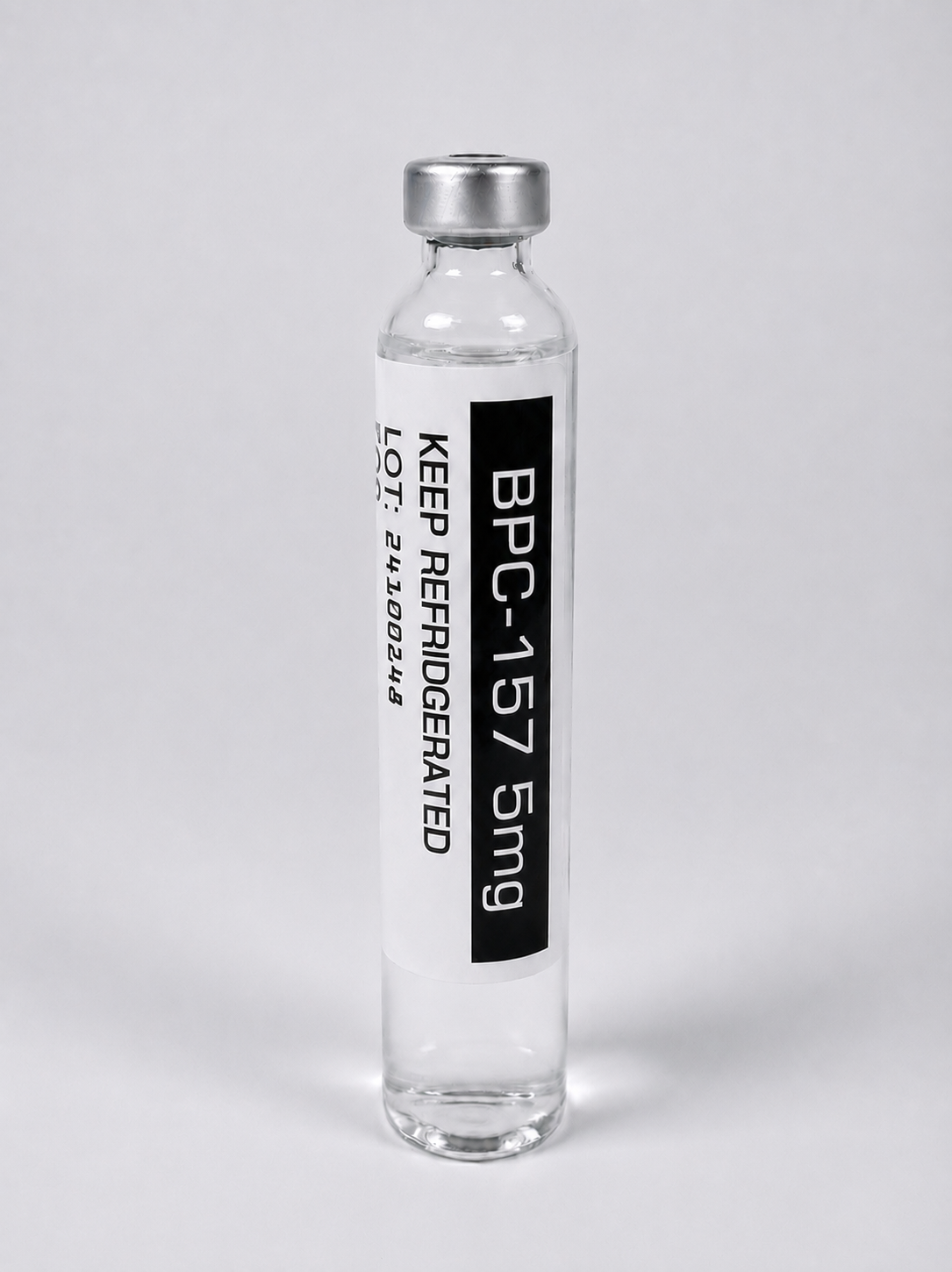
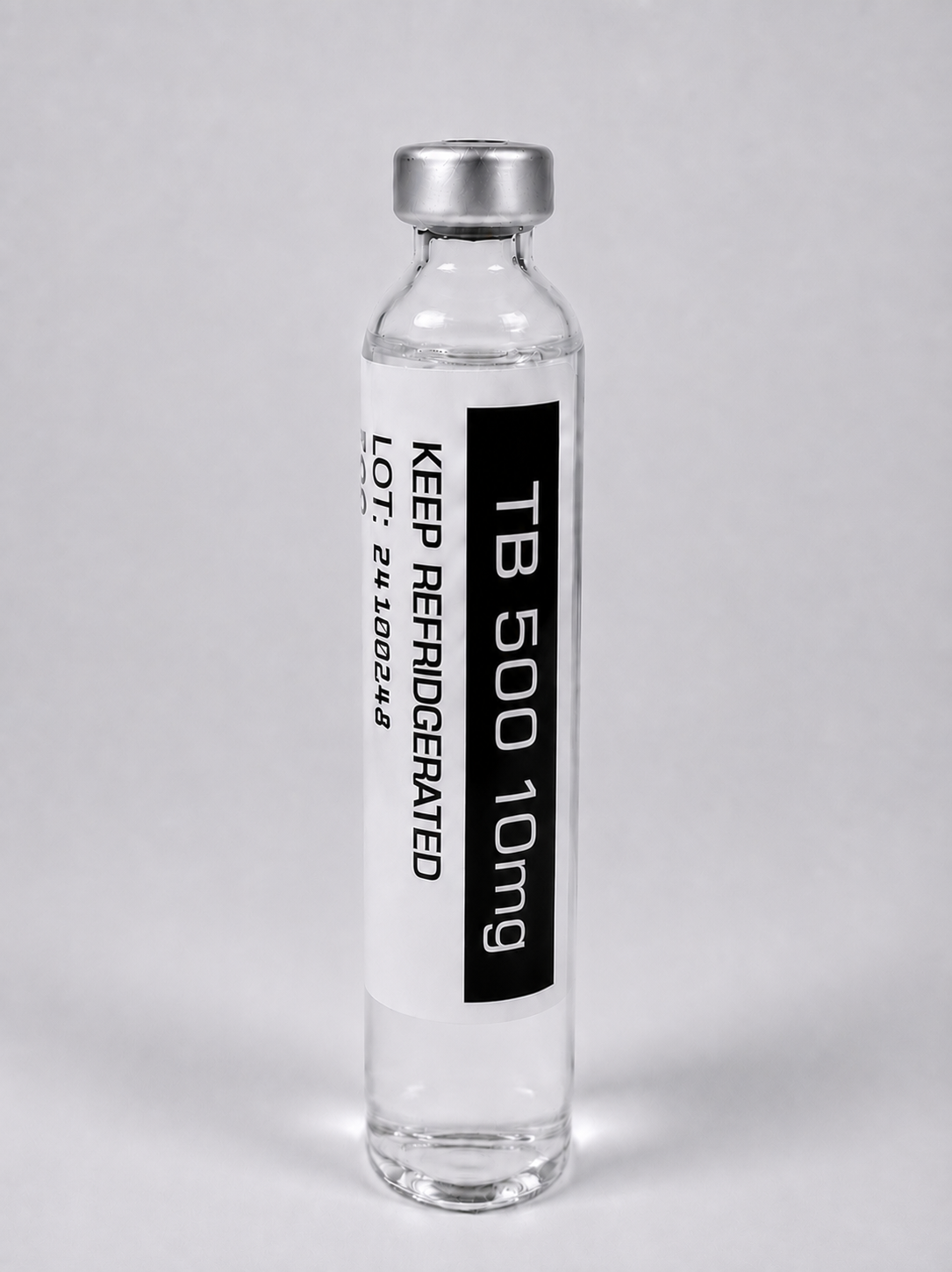
The most extensively researched peptide combination in regenerative science is the BPC-157 and TB-500 stack. These two peptides work through distinct but complementary mechanisms:
- BPC-157 (Body Protection Compound 157) promotes angiogenesis — the formation of new blood vessels — and upregulates growth hormone receptors in tissues. It also modulates inflammation by balancing cytokine activity and stimulates collagen production. Its effects are particularly pronounced in gastrointestinal tissue, tendons, and ligaments.
- TB-500 (Thymosin Beta-4 fragment) facilitates cell migration by regulating actin polymerisation, clears damaged extracellular matrix via matrix metalloproteinase upregulation, and reduces scar tissue formation through its anti-fibrotic properties. It also drives VEGF expression, further supporting angiogenesis.
Together, BPC-157 builds the vascular infrastructure for healing while TB-500 guides cells to the injury site and remodels the tissue architecture. This dual-action protocol has been explored in preclinical models for tendon repair, muscle regeneration, and post-surgical recovery. Researchers can source both peptides from BioMuti: BPC-157 and TB-500.
For a deeper look at how each peptide works individually, read our detailed articles on BPC-157 research and TB-500 tissue repair mechanisms.
Other Evidence-Based Stacks
BPC-157 + GHK-Cu for Connective Tissue
GHK-Cu, the copper-binding tripeptide, is well known for its role in collagen synthesis, wound healing, and antioxidant activity. When combined with BPC-157, researchers observe enhanced outcomes in dermal and connective tissue studies. GHK-Cu stimulates fibroblast activity and collagen organisation while BPC-157 provides the angiogenic support needed to sustain tissue repair. This stack is of particular interest in dermatological research and post-surgical recovery protocols. Explore our complete guide to GHK-Cu for skin health for more detail.
NAD+ + MOTS-c for Metabolic Research
NAD+ is an essential coenzyme for cellular energy metabolism, while MOTS-c — a mitochondrial-derived peptide — regulates metabolic pathways including insulin sensitivity and fatty acid oxidation. Stacking these two compounds targets cellular energy production at both the coenzyme and signalling-peptide level. Researchers investigating age-related metabolic decline, mitochondrial function, and energy homeostasis find this combination particularly compelling. Read more about NAD+ research and its applications in cellular health.
CJC-1295 + Ipamorelin for Growth Hormone Research
Growth hormone secretagogue stacking is one of the most common approaches in peptide research. CJC-1295 (with or without DAC) stimulates the pituitary gland to release growth hormone, while Ipamorelin acts as a selective agonist of the ghrelin receptor. Together, they produce a more robust and sustained growth hormone pulse than either peptide alone. Ipamorelin's selectivity means it avoids the appetite stimulation and cortisol elevation associated with other secretagogues, making it a preferred choice for body composition and recovery research.
Important Considerations for Stacking Protocols
Designing an effective peptide stack requires careful attention to several factors:
- Half-life alignment: Peptides with vastly different half-lives may require staggered dosing schedules to maintain consistent circulating levels.
- Receptor competition: Some peptides may compete for the same binding sites, potentially reducing efficacy. Understanding receptor pharmacology is essential.
- Solubility and reconstitution: Different peptides may require different reconstitution buffers. Always follow manufacturer guidelines for each compound.
- Dose titration: Starting with lower doses when introducing a new stack allows researchers to observe individual responses before committing to a full protocol.
Clinical resources on ClinicalTrials.gov document ongoing research into peptide combination therapies, providing valuable guidance for protocol design.
BioMuti: Your Source for Research-Grade Peptides
At BioMuti, we supply South African researchers with the highest quality peptides for laboratory investigation. Every compound in our range — from BPC-157 and TB-500 to GHK-Cu, NAD+, MOTS-c, and CJC-1295 — is synthesised to 99%+ purity and independently tested by accredited laboratories. Batch-specific certificates of analysis are available for every product.
For researchers designing multi-peptide protocols, we offer tiered pricing through our wholesale program, batch reservation for large-scale studies, and custom synthesis capabilities for specialised requirements. Browse our full product range to build your stack today.
BioMuti's Commitment to Regenerative Research
Peptide stacking represents the cutting edge of regenerative science — a shift from single-compound investigation towards a systems-level understanding of how signalling molecules work together. At BioMuti, we are committed to supporting this frontier by providing researchers with the purest compounds, independent verification, and the knowledge resources needed to design effective experiments. For further reading, explore our complete guide to BioMuti peptides, our peptide therapy fundamentals, and the regulatory landscape for peptide research in South Africa.
Whether you are investigating the BPC-157 + TB-500 stack for tissue repair or exploring novel combinations for metabolic health, BioMuti is your partner in discovery.