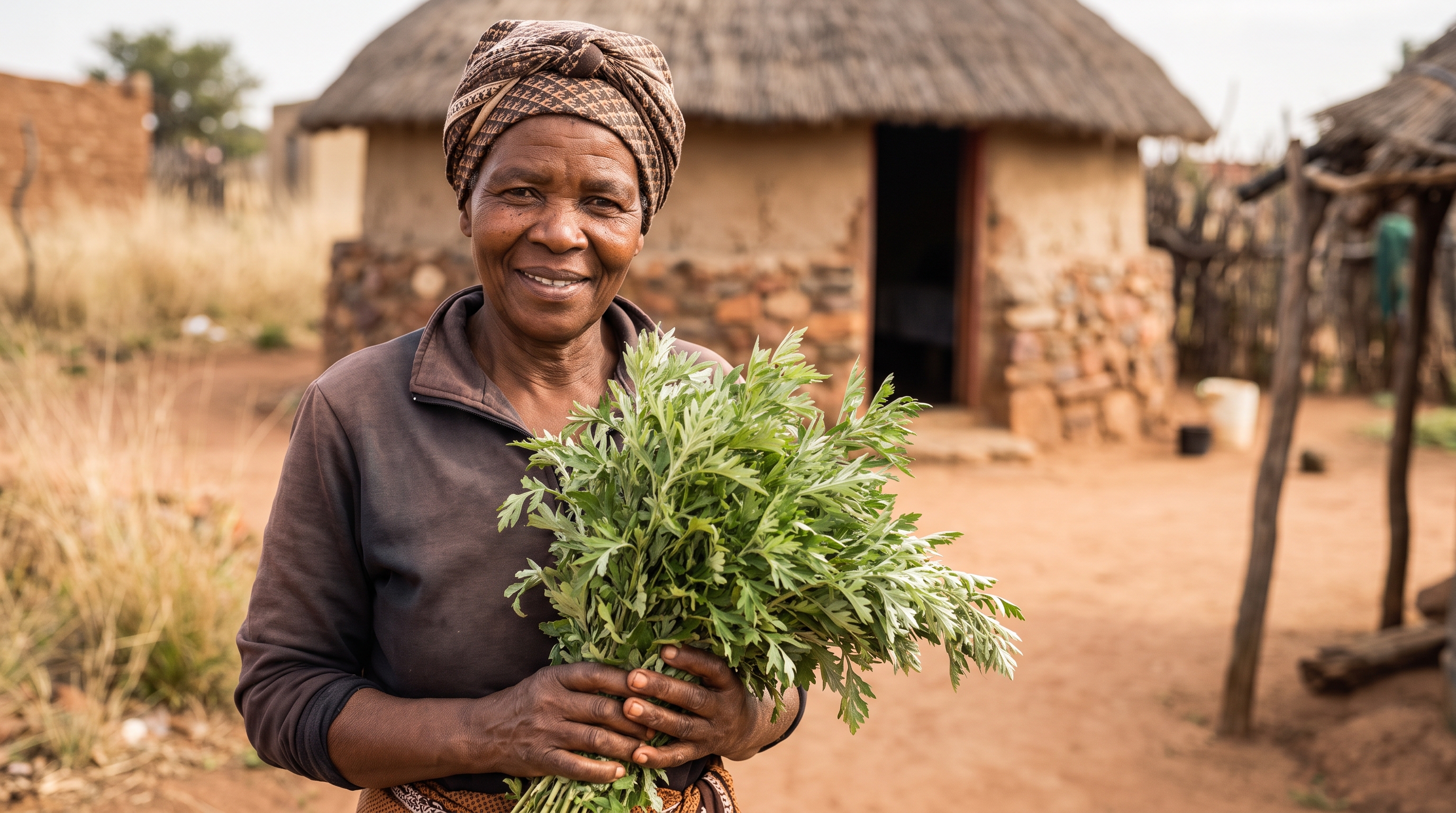
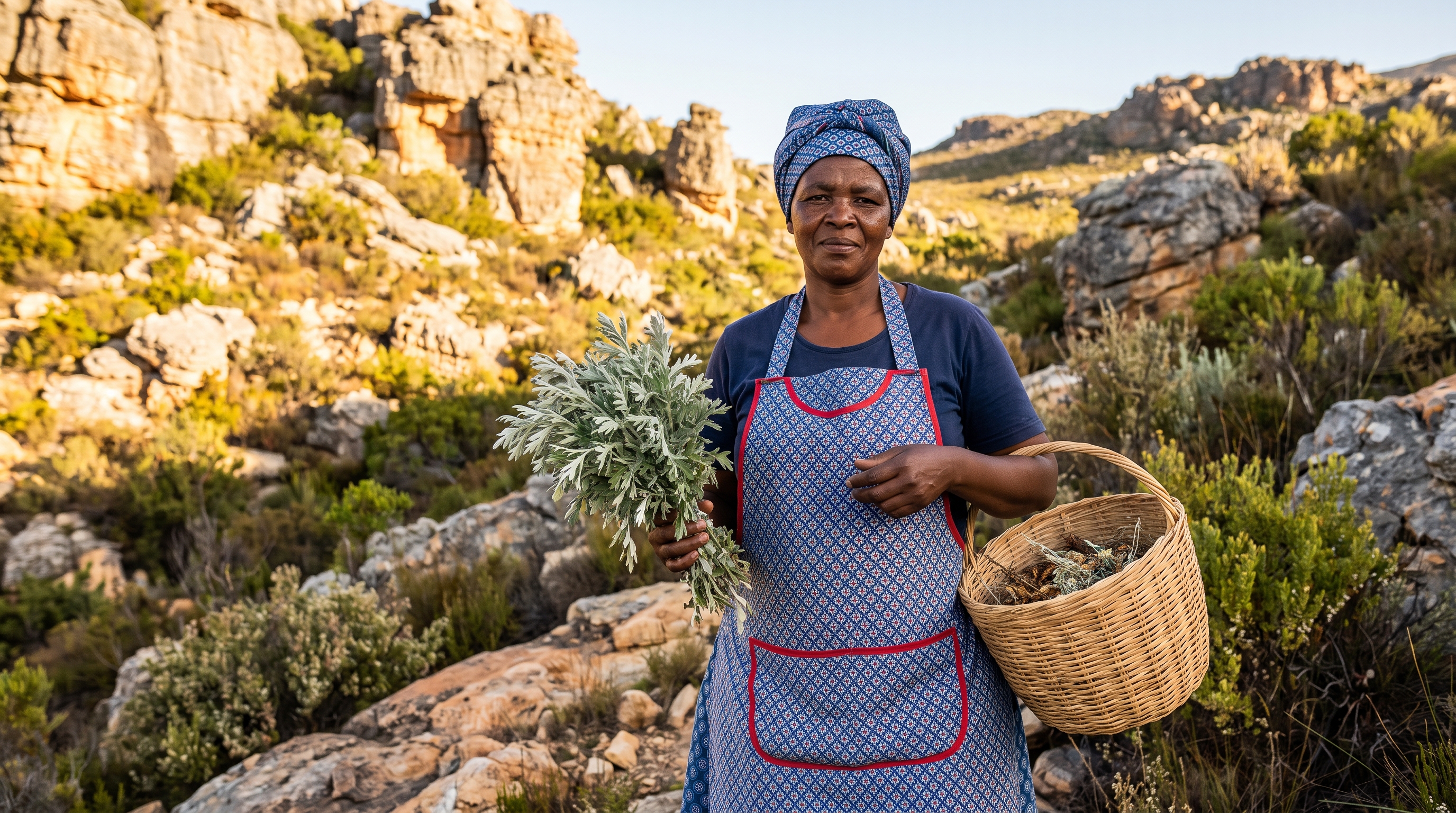
Rooibos (Aspalathus linearis) — meaning "red bush" in Afrikaans — is one of South Africa's most treasured botanical exports. Grown exclusively in the Cederberg region of the Western Cape, this fine-leaved fynbos shrub has been consumed for generations as a naturally caffeine-free herbal infusion. But Rooibos is far more than just a soothing cup of tea. Over the past two decades, a growing body of scientific research has revealed that this unassuming indigenous plant possesses a uniquely complex antioxidant profile that sets it apart from virtually any other botanical source studied to date.
In this article, we explore the science behind Rooibos's remarkable antioxidant activity, its key bioactive compounds, and what this means for researchers investigating oxidative stress, inflammation, and cellular health.
The Unique Chemistry of Rooibos
What makes Rooibos scientifically fascinating is its distinctive polyphenolic composition. Unlike green tea (Camellia sinensis), which is dominated by catechins, or rooibos's cousin honeybush (Cyclopia), Rooibos contains a rare class of C-glucosyl flavonoids that are seldom found in other plants. The two most abundant and character-defining compounds are aspalathin and nothofagin — both dihydrochalcone C-glucosides that are unique to Aspalathus linearis and are not present in significant quantities in any other dietary source.
Aspalathin, which makes up roughly 4–8% of the dry leaf mass in unfermented ("green") Rooibos, is a particularly potent antioxidant. Its C-glucosyl structure gives it enhanced stability and bioavailability compared to the O-glucosyl flavonoids found in most other plants. During the fermentation process that gives traditional Rooibos its characteristic red colour and sweet flavour, aspalathin is largely converted into aspalalinin and other compounds — which is why "green" (unfermented) Rooibos has been shown to have significantly higher antioxidant capacity than the fermented variety. Comprehensive chemical profiling of these compounds is available through PubMed, where numerous studies document the structural elucidation and bioactivity of these unique flavonoids.
Beyond aspalathin and nothofagin, Rooibos contains over 50 identified phenolic compounds, including orientin, isoorientin, vitexin, isovitexin, luteolin, quercetin, and various phenolic acids. This multi-compound profile is critical — unlike single-molecule antioxidant supplements, Rooibos delivers a synergistic blend of bioactive constituents that may work cooperatively to neutralise different types of free radicals through complementary mechanisms.
Measuring Antioxidant Activity: What the Data Shows
The antioxidant capacity of Rooibos has been evaluated using multiple standardised assays, and the results are consistently compelling. Studies using the oxygen radical absorbance capacity (ORAC) assay, the ferric reducing antioxidant power (FRAP) assay, and the 2,2-diphenyl-1-picrylhydrazyl (DPPH) radical scavenging assay have all demonstrated significant free-radical neutralising activity in both aqueous and ethanolic extracts of Rooibos.
Of particular interest to researchers is Rooibos's ability to modulate intracellular oxidative stress at the cellular level. Preclinical studies indexed on the National Library of Medicine have shown that Rooibos extracts can upregulate endogenous antioxidant enzymes such as superoxide dismutase (SOD), catalase, and glutathione peroxidase — suggesting that its protective effects extend beyond direct radical scavenging to include activation of the body's own antioxidant defence systems via the Nrf2/ARE signalling pathway. This dual mechanism — direct antioxidant activity plus induction of endogenous defences — is a hallmark of particularly effective chemoprotective agents.
Research published in the Journal of Ethnopharmacology has further documented that Rooibos extracts can protect cellular membranes from lipid peroxidation — a key contributor to age-related cellular damage — and reduce DNA oxidative damage in cell culture models. These findings position Rooibos not merely as a beverage ingredient but as a subject of legitimate pharmacological interest.
Anti-Inflammatory and Chemoprotective Research
Beyond its direct antioxidant activity, Rooibos has attracted considerable research attention for its anti-inflammatory and chemoprotective properties. The bioactive compounds in Rooibos — particularly aspalathin, luteolin, and the flavonoid chrysoeriol — have been shown to modulate key inflammatory signalling pathways, including the NF-κB and COX-2 pathways, in preclinical models. This anti-inflammatory activity may have implications for research into chronic low-grade inflammation, which is increasingly recognised as a contributing factor in metabolic and age-related conditions.
Emerging research also points to Rooibos's potential in glucose metabolism studies. A growing number of investigations, including work catalogued on ClinicalTrials.gov, have explored whether aspalathin and other Rooibos constituents can improve insulin sensitivity and glucose uptake in skeletal muscle cells. Aspalathin, in particular, has been shown to stimulate glucose uptake in muscle cells via activation of AMP-activated protein kinase (AMPK) — the same pathway targeted by the pharmaceutical agent metformin. This has generated interest in Rooibos as a potential botanical adjunct in metabolic health research.
For researchers exploring how botanical compounds interact with other experimental agents, Rooibos's polyphenol profile presents interesting synergy possibilities. The antioxidant and anti-inflammatory mechanisms of Rooibos might complement the tissue repair properties of BPC-157 in recovery protocols, or work alongside GHK-Cu in dermatological investigations where oxidative stress plays a role in skin ageing. The broader field of botanical-peptide synergy is an area where South African indigenous plants offer particularly rich research opportunities — explore more in our overview of African botanical traditions.
Fermented vs. Green Rooibos: A Research Distinction
A critical distinction for researchers to understand is the difference between traditional fermented ("red") Rooibos and unfermented ("green") Rooibos. The fermentation process, which involves enzymatic oxidation of the leaves, substantially alters the phytochemical profile. While fermentation enhances the colour, flavour, and shelf stability of the tea, it significantly reduces the concentration of aspalathin — the most abundant and one of the most bioactive antioxidants in the fresh leaf.
Studies comparing the two forms consistently show that green Rooibos extracts exhibit 2–3 times higher antioxidant capacity than their fermented counterparts, as measured by standard assays. This does not mean fermented Rooibos lacks activity — it remains a rich source of other flavonoids such as orientin and isoorientin, which are more stable during processing. However, researchers designing experiments should be aware that the choice between green and fermented Rooibos material will significantly influence the phytochemical profile and, consequently, the experimental outcomes. For deeper reading on South Africa's indigenous botanical wealth, visit our articles on Buchu's immune-supporting properties and Artemisia afra for immune wellness.
BioMuti's Commitment to Botanical Research
At BioMuti, we recognise that the indigenous plants of Southern Africa represent an extraordinary pharmacopoeia that is only beginning to be understood through the lens of modern science. Rooibos, with its unique C-glucosyl flavonoids and dual antioxidant mechanisms, exemplifies the kind of scientifically rich botanical that deserves rigorous investigation. We are committed to supporting researchers with the highest quality materials — both botanical and peptide-based — for laboratory use.
Whether your research focuses on oxidative stress, metabolic pathways, inflammation, or the synergy between traditional botanicals and modern research compounds, our product range is designed to support quality outcomes. For laboratories and institutions requiring bulk materials or custom research quantities, our wholesale program offers tiered pricing and batch consistency guarantees.
Rooibos is a reminder that sometimes the most remarkable science is hiding in plain sight — in a cup of tea enjoyed for generations. At BioMuti, we are proud to contribute to the research that is revealing the full potential of South Africa's botanical heritage.