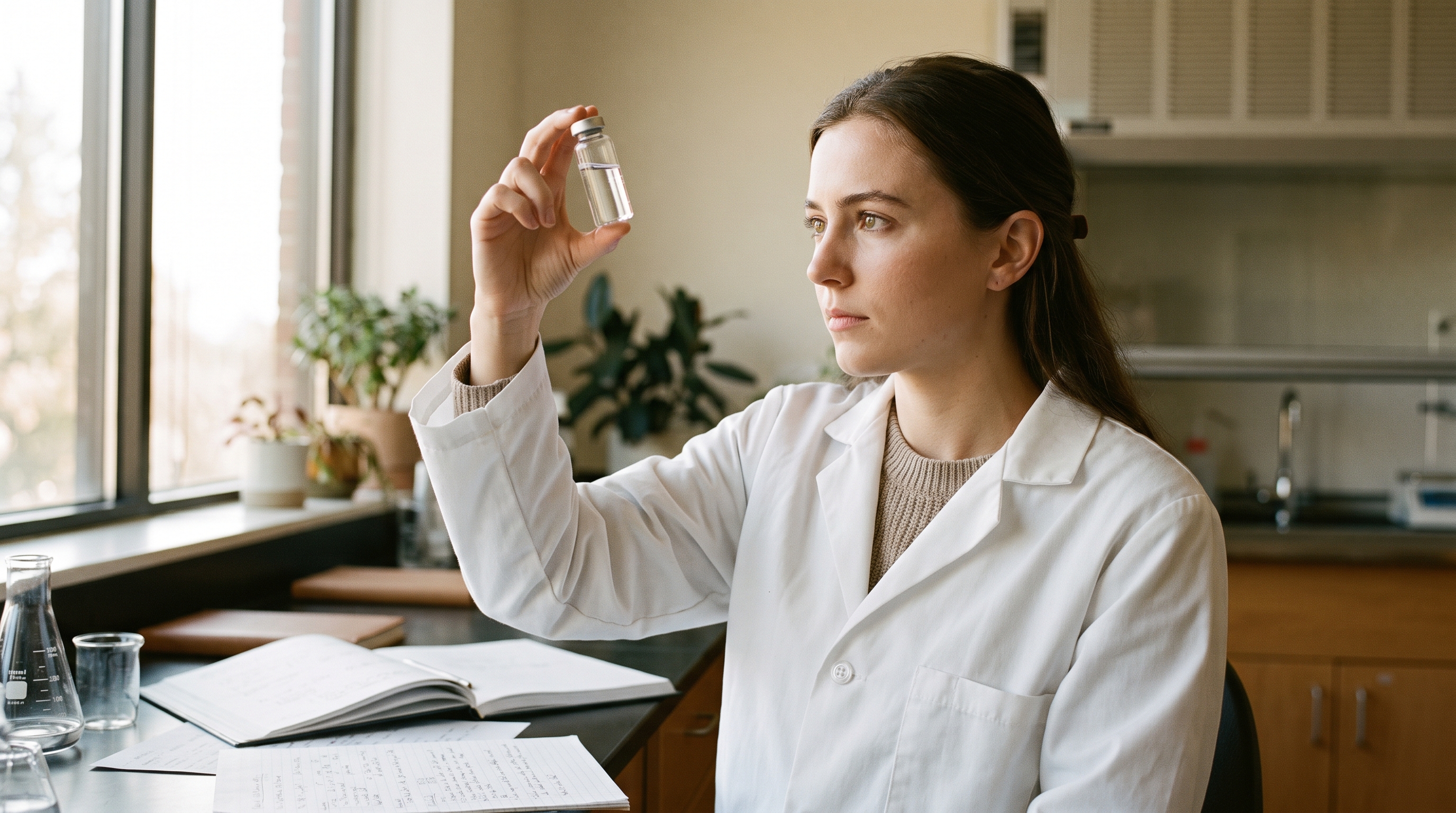
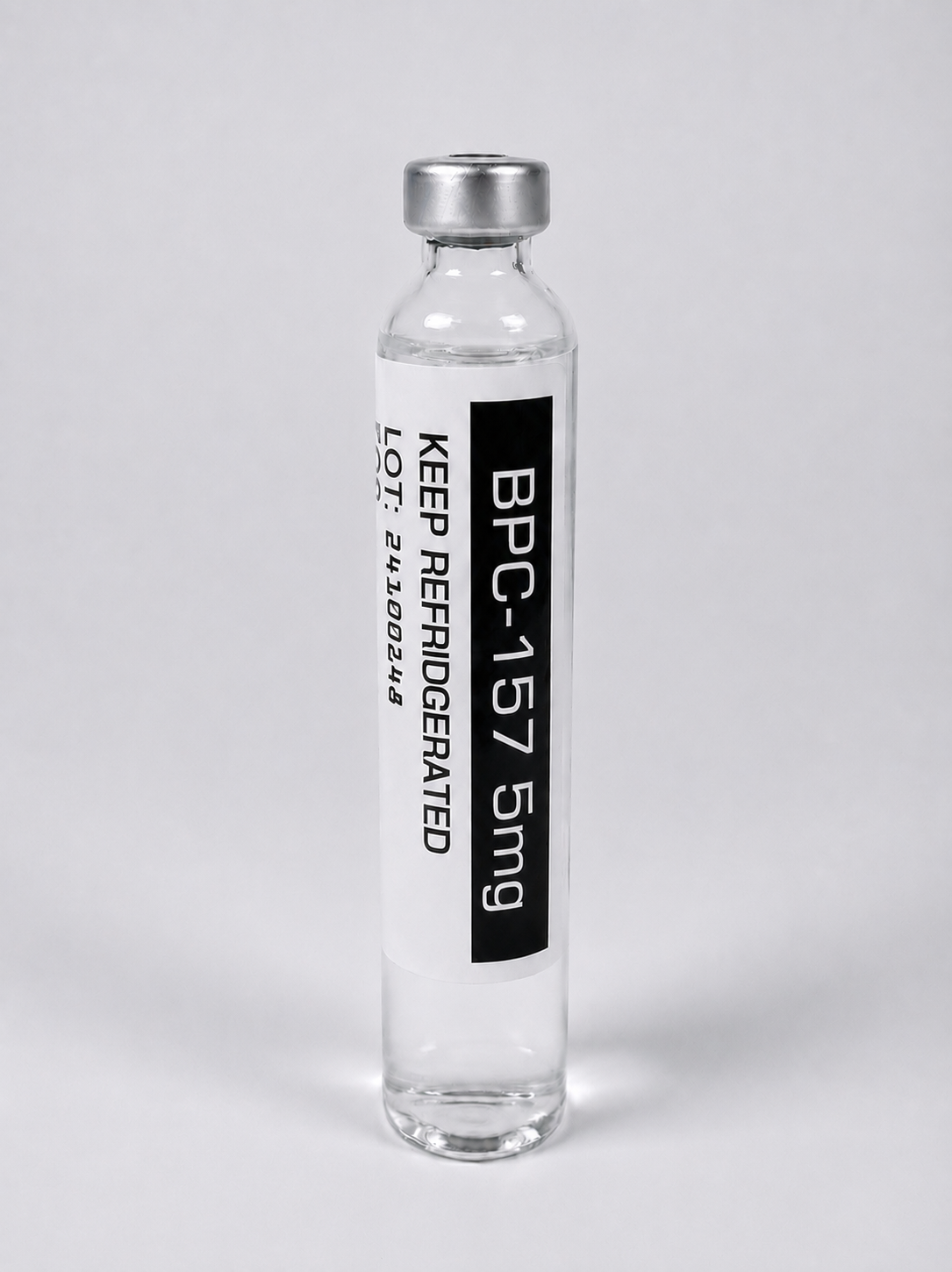
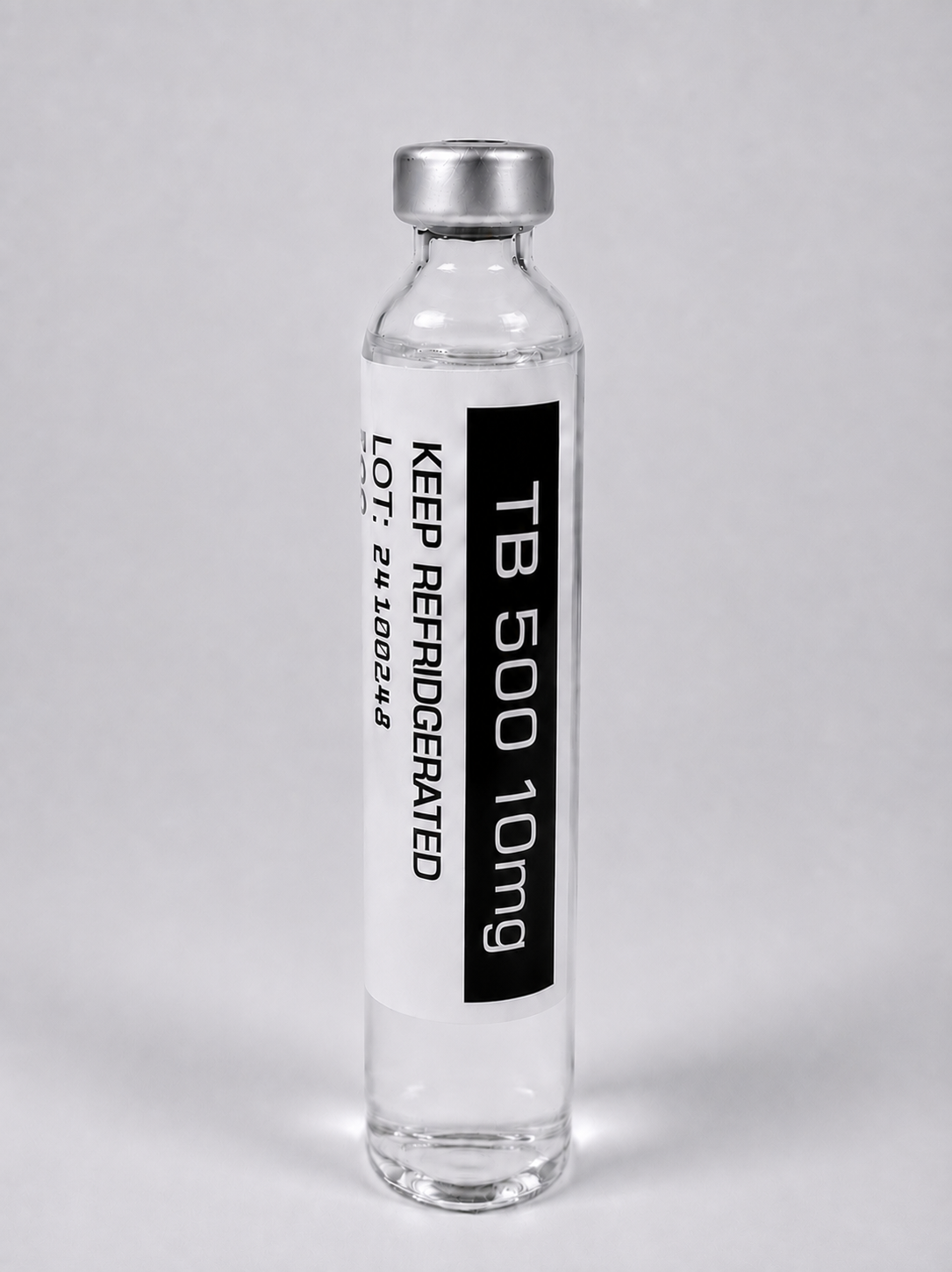
TB-500 — the synthetic fragment of Thymosin Beta-4 — has emerged as one of the most extensively studied peptides in regenerative research. Originally identified as an actin-binding protein expressed in virtually all mammalian cells, Thymosin Beta-4 plays a fundamental role in cell migration, angiogenesis, and tissue remodelling. The synthetic TB-500 fragment mirrors these biological activities, offering researchers a powerful tool for investigating accelerated wound healing, muscle repair, and recovery from connective tissue injury.
In this article, we explore the mechanisms behind TB-500, its key research applications, and how it fits into the broader landscape of peptide-based regenerative science alongside compounds like BPC-157 and GHK-Cu.
The Mechanism of Action
Thymosin Beta-4 is a 43-amino acid peptide that acts primarily by sequestering actin monomers, thereby regulating the cytoskeletal dynamics essential for cell movement and shape change. This mechanism is fundamental to its role in tissue repair. By promoting actin polymerisation and depolymerisation, TB-500 facilitates the migration of endothelial cells, keratinocytes, and fibroblasts to sites of injury — a process critical for wound closure and tissue regeneration.
Beyond actin binding, TB-500 also upregulates several key signalling pathways. Research indicates it stimulates the production of matrix metalloproteinases (MMPs), which clear damaged extracellular matrix, and increases the expression of vascular endothelial growth factor (VEGF), driving new blood vessel formation. This angiogenic effect enhances oxygen and nutrient delivery to healing tissues, accelerating recovery. The peptide also demonstrates anti-inflammatory properties by modulating cytokine release, reducing excessive inflammation that can impede healing. Peer-reviewed studies available through PubMed and the National Library of Medicine provide comprehensive data on these mechanisms.
Key Research Applications
Muscle and Tendon Repair
TB-500 has demonstrated particular promise in musculoskeletal research. Studies have shown that TB-500 accelerates the healing of damaged muscle tissue by promoting satellite cell activation and myoblast fusion — the cellular processes underlying muscle regeneration. In tendon repair models, TB-500 treatment has been associated with improved collagen organisation, increased tensile strength, and reduced scar formation. Researchers investigating sports-related injuries and musculoskeletal recovery often pair TB-500 with BPC-157 in combination protocols for comprehensive tissue repair.
Wound Healing and Dermal Repair
The wound-healing properties of TB-500 are among its most well-documented effects. Preclinical models consistently show that TB-500 significantly accelerates the rate of wound closure, enhances angiogenesis at the wound site, and improves the quality of healed tissue. Clinical data indexed on ClinicalTrials.gov explore its application in chronic wounds, surgical incisions, and dermal ulcers. The peptide's ability to reduce scarring while promoting organised collagen deposition makes it a focus of interest in dermatological research as well.
Cardiac and Corneal Tissue Protection
Beyond musculoskeletal and dermal applications, TB-500 has shown cardioprotective effects in models of myocardial ischaemia. Its angiogenic and anti-apoptotic properties appear to support cardiac tissue survival after ischaemic injury. Similarly, in ophthalmological research, Thymosin Beta-4 has been studied for corneal repair, where it promotes epithelial cell migration and reduces inflammation following injury. These diverse applications underscore the peptide's broad regenerative potential.
TB-500 and Peptide Stacking
One of the most common research approaches involves combining TB-500 with complementary peptides for synergistic effects. The TB-500 + BPC-157 stack remains the most popular combination in regenerative research — TB-500 addresses cell migration and scar reduction while BPC-157 drives angiogenesis and growth factor upregulation. Some researchers also explore TB-500 alongside GHK-Cu for combined dermal and connective tissue applications, or with NAD+ for metabolic support during healing. Our comprehensive guide to BioMuti peptides covers stacking protocols in more detail.
Why Quality Matters in Peptide Research
The purity of TB-500 used in research directly affects the reliability of experimental outcomes. Impurities or degradation products can confound results and lead to inaccurate conclusions. BioMuti's TB-500 is synthesised to 99%+ purity and independently tested by accredited South African laboratories. Each batch is verified for peptide content, molecular weight, and sterility before release. For researchers requiring consistent, high-purity peptide supplies for multi-experiment programmes, our wholesale program offers tiered pricing and batch reservation.
Explore our full range of research-grade peptides, including TB-500, BPC-157, GHK-Cu, and NAD+, at the BioMuti shop. For laboratory directors and research institutions, wholesale enquiries are welcome through our dedicated wholesale page.
BioMuti's Commitment to Regenerative Research
At BioMuti, we believe that the future of medicine lies in understanding the body's innate healing mechanisms. Peptides like TB-500 represent a frontier in regenerative biology — tools that allow researchers to decode the molecular language of tissue repair. We are proud to supply the South African research community with the highest quality research compounds, manufactured locally and independently verified. For deeper reading on peptide science, explore our articles on BPC-157 and peptide therapy fundamentals.