Selank is a synthetic heptapeptide with the sequence Thr-Lys-Pro-Arg-Pro-Gly-Pro — a structural analogue of the endogenous immunomodulatory peptide tuftsin. Developed by researchers at the Institute of Molecular Genetics of the Russian Academy of Sciences, Selank has been the subject of over two decades of preclinical and clinical investigation. Unlike conventional anxiolytic agents that target GABA receptors (such as benzodiazepines), Selank appears to modulate anxiety through a distinct mechanism involving the serotonergic system, neurotrophic factors, and immune signalling pathways. This unique pharmacology positions Selank as a compelling subject for researchers investigating novel approaches to anxiety, cognitive enhancement, and the intersection of the nervous and immune systems.
In this article, we examine the current state of Selank research, its mechanism of action, key findings from preclinical and clinical studies, and how this peptide fits into the broader landscape of neuropeptide research alongside compounds available through the BioMuti range.
Mechanism of Action: How Selank Works
Selank's mechanism of action is multi-faceted and distinct from classical anxiolytics. At the neurochemical level, Selank appears to modulate the metabolism of serotonin and dopamine — two neurotransmitters centrally involved in mood regulation, anxiety, and cognitive function. Preclinical studies have shown that Selank administration increases serotonin levels in key brain regions, including the frontal cortex and hippocampus, without exhibiting the sedative or amnestic side effects associated with benzodiazepine-class drugs.
Beyond its effects on monoamine neurotransmitters, Selank has been shown to influence the expression of brain-derived neurotrophic factor (BDNF) and nerve growth factor (NGF). These neurotrophins play essential roles in neuronal survival, synaptic plasticity, and neurogenesis — processes that are often dysregulated in chronic anxiety and stress-related disorders. By upregulating these factors, Selank may support the brain's intrinsic capacity for adaptive resilience to stress. A comprehensive review of these mechanisms is available through PubMed, where numerous studies document the peptide's neurochemical and molecular effects.
Importantly, Selank also exhibits immunomodulatory properties, reflecting its heritage as a tuftsin analogue. Research has demonstrated that Selank can modulate the balance of pro-inflammatory and anti-inflammatory cytokines, including interleukin-6 (IL-6) and tumour necrosis factor-alpha (TNF-α). This immune-modulating activity is particularly relevant given the growing recognition of neuroinflammation as a contributor to anxiety and mood disorders. Detailed findings on Selank's immunomodulatory effects are indexed on the National Library of Medicine.
Preclinical and Clinical Research Findings
Anxiolytic Efficacy
The anxiolytic properties of Selank have been evaluated in a range of preclinical models, including elevated plus maze, open field, and conflict tests in rodents. Across these studies, Selank consistently produced anxiety-reducing effects comparable to or exceeding those of standard benzodiazepines — but without the accompanying sedation, motor impairment, or memory disruption that limit the clinical utility of traditional anxiolytics. This favourable side-effect profile is one of the most frequently cited advantages of Selank in the research literature.
Clinical studies conducted in Russia have extended these findings to human subjects. A series of placebo-controlled trials involving patients with generalised anxiety disorder (GAD) and adjustment disorders found that Selank treatment was associated with significant reductions in anxiety scores, as measured by validated instruments including the Hamilton Anxiety Rating Scale (HAM-A) and the Spielberger State-Trait Anxiety Inventory (STAI). These clinical outcomes are documented in research catalogued on ClinicalTrials.gov. The therapeutic effect typically emerged within the first week of treatment — considerably faster than conventional selective serotonin reuptake inhibitors (SSRIs), which often require several weeks to reach full efficacy.
Cognitive and Nootropic Effects
Beyond its anxiolytic activity, Selank has demonstrated notable nootropic (cognitive-enhancing) properties in both animal and human studies. In preclinical memory paradigms, Selank-treated animals showed improved learning and memory retention compared to controls. Human studies have reported beneficial effects on attention, working memory, and cognitive processing speed — effects that distinguish Selank from sedating anxiolytics that often impair cognitive function.
The cognitive effects of Selank are thought to be mediated through its modulation of the dopaminergic system and its upregulation of neurotrophic factors. BDNF, in particular, is known to play a critical role in hippocampal-dependent learning and memory. By enhancing BDNF expression, Selank may support the synaptic plasticity mechanisms underlying cognitive performance. For researchers interested in the intersection of cognitive enhancement and neuroprotection, Selank represents a particularly interesting compound to compare with other nootropic peptides and research compounds such as NAD+ for cellular energy and other cognitive-enhancing peptides.
Comparison with Other Anxiolytic Research Compounds
Selank is often discussed alongside another Russian-developed anxiolytic peptide: Semax, with which it shares a similar research history. While both peptides emerged from the same research programme and exhibit nootropic effects, their mechanisms differ. Semax is primarily known for cognitive enhancement via melanocortin receptor activation and BDNF upregulation, while Selank's profile is weighted more heavily toward anxiety reduction with secondary cognitive benefits.
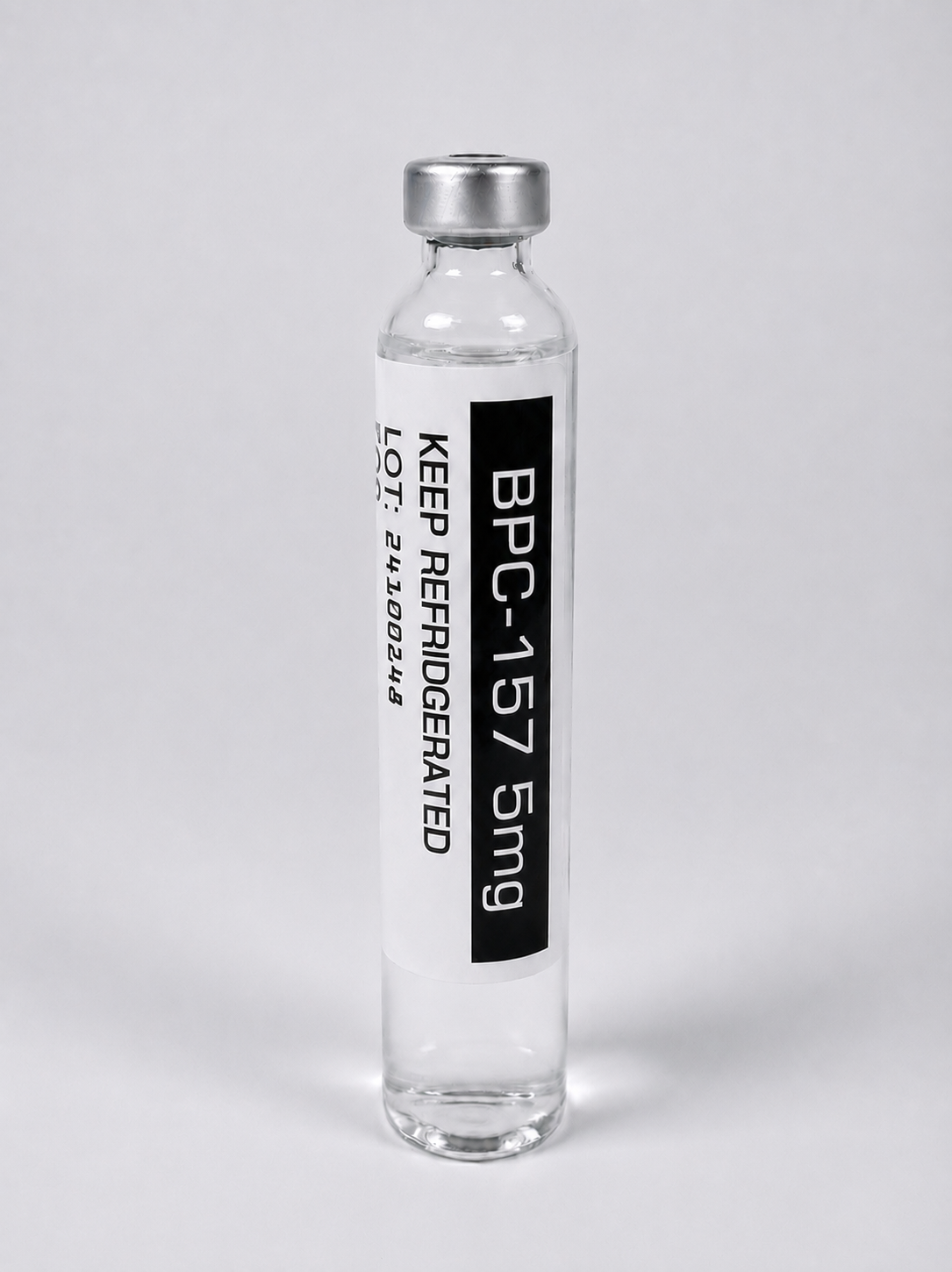
For researchers building comprehensive peptide research portfolios, Selank complements other compounds available through BioMuti. Its serotonergic and neurotrophic mechanisms offer a different angle from the tissue-repair pathways of BPC-157 or the metabolic effects of NAD+. Understanding how different peptides interact — whether through overlapping or independent pathways — is essential to designing well-controlled experimental protocols. Selank's safety profile and lack of significant side effects make it a valuable tool for neuroscience research. For a broader overview of how peptides are used in combination protocols, see our guide to peptide stacking.
Safety and Tolerability Profile
One of the distinguishing features of Selank in the peptide research literature is its remarkably favourable safety profile. Preclinical toxicology studies have demonstrated a wide therapeutic window, with no observed toxicity at doses many times higher than the effective anxiolytic range. In clinical studies, Selank has been well tolerated, with adverse events reported at rates comparable to placebo and considerably lower than those associated with conventional anxiolytics. The most commonly reported effects were mild and transient, including slight drowsiness in a minority of subjects — a finding that contrasts sharply with the significant sedation, cognitive impairment, and dependence liability of benzodiazepines.
Selank's lack of addiction potential is particularly noteworthy. Unlike benzodiazepines, which act as positive allosteric modulators of GABA-A receptors and carry substantial risks of tolerance and dependence, Selank's mechanism of action does not appear to engage the reward pathways associated with substance abuse. This safety profile makes Selank an attractive candidate for further investigation in anxiety research. The research-grade Selank available through BioMuti's product range is synthesised to the highest purity standards for responsible laboratory use.
BioMuti's Commitment to Neuroscience Research
At BioMuti, we believe that the future of neuroscience lies in understanding the complex signalling molecules — including peptides like Selank — that mediate the interactions between the nervous system, the immune system, and the endocrine system. Our research-grade peptides are manufactured to 99%+ purity and independently tested by accredited South African laboratories to ensure consistency and reliability for experimental use.
Whether your research focuses on anxiety, cognition, neuroinflammation, or the intersection of peptide science with traditional botanical medicine, BioMuti's product range offers the quality and purity your laboratory demands. For institutions and laboratories requiring bulk materials for multi-experiment programmes, our wholesale program provides tiered pricing and batch reservation services.
Selank represents a fascinating chapter in peptide research — a compound designed from first principles to address anxiety through a mechanism fundamentally different from the pharmaceutical status quo. At BioMuti, we are proud to support the scientific community in investigating this and other promising peptides for the advancement of neuroscience research. For further reading, explore our articles on BioMuti's peptide range and South African peptide regulations.