For decades, peptides were understood as signals emitted by the cell to act on other tissues. Then in 2015, a research group at the University of Southern California reported something quietly remarkable: a short peptide encoded within the mitochondrion itself, with the ability to travel back to the nucleus and rewire how the cell manages energy. The peptide was named MOTS-c, short for mitochondrial open reading frame of the 12S rRNA type-c. The discovery introduced an entirely new category of mitochondrial-derived signalling molecules and opened a rapidly expanding field of research into metabolic regulation, exercise physiology, and the biology of healthy ageing.
For wellness professionals and longevity-focused South African consumers, MOTS-c has become one of the most discussed research peptides of the past five years, alongside the more established BPC-157 and NAD+ programmes. This article summarises what peer-reviewed research has established, what remains preclinical, and where the current evidence is most consistent.
What Exactly Is MOTS-c?
MOTS-c is a 16-amino-acid peptide encoded by the mitochondrial genome — specifically by the MT-RNR1 gene, which sits within the mitochondrial DNA rather than the nuclear DNA. Unlike most mitochondrial proteins, which are encoded in the nucleus and imported into the mitochondrion, MOTS-c is translated inside the mitochondrion by the organelle's own ribosomes. This is unusual and is the structural reason for its later discovery: mitochondrial-encoded peptides were largely overlooked in early genome annotation work.
Under metabolic stress — such as nutrient restriction or exercise — MOTS-c translocates from the mitochondrion to the cytoplasm and ultimately to the nucleus. In the nucleus, it interacts with the AMPK (AMP-activated protein kinase) signalling pathway and modulates the expression of nuclear genes involved in glucose uptake, fatty acid oxidation, and antioxidant defence. The original discovery paper, published in Cell Metabolism in 2015, is indexed on PubMed, and a comprehensive review of subsequent mechanistic work is available on PMC.
The Exercise-Mimetic Hypothesis
One of the most striking findings from early MOTS-c research is that the peptide appears to produce some of the metabolic effects of exercise even in sedentary animal models. In a 2014 study by the same USC group, MOTS-c administration in mice fed a high-fat diet improved insulin sensitivity, increased fatty acid oxidation, and counteracted diet-induced obesity — without a change in food intake. Subsequent work has suggested that MOTS-c may mediate at least part of the well-documented metabolic benefit of regular physical activity.
It is critical to be precise about what this means. The exercise-mimetic characterisation refers to specific metabolic and cellular endpoints, not to MOTS-c being a substitute for exercise. No research has shown MOTS-c reproducing the cardiovascular, musculoskeletal, or neurocognitive adaptations of training. The most defensible framing is that MOTS-c is one of several endogenous mediators by which exercise confers some of its metabolic benefits at the cellular level — a useful biomarker and a candidate for further pharmacological investigation, summarised across multiple PubMed entries.
MOTS-c, Insulin Sensitivity, and Metabolic Health
The strongest body of preclinical evidence for MOTS-c concerns glucose homeostasis. Studies in cell culture and in animal models have shown that MOTS-c:
- Enhances insulin sensitivity in skeletal muscle by promoting GLUT4 translocation
- Suppresses hepatic gluconeogenesis under fasting conditions
- Modulates folate cycle intermediates, particularly 5-methyltetrahydrofolate, suggesting a link between mitochondrial signalling and one-carbon metabolism
- Reduces visceral fat accumulation in diet-induced obesity models
A 2018 follow-up study extended these findings to age-related insulin resistance, reporting that MOTS-c levels in skeletal muscle decline with age in mice and humans, and that restoring youthful levels reversed age-dependent metabolic dysfunction. The translational relevance for human metabolic disease is an active area of investigation, with several registered studies listed on ClinicalTrials.gov. As of mid-2026, however, the bulk of the evidence remains preclinical, and there are no approved human therapeutics based on MOTS-c.
MOTS-c in Ageing and Longevity Research
Because MOTS-c declines with age and its restoration in animal models improves several hallmarks of metabolic ageing, the peptide has been incorporated into broader longevity research programmes. The connection is indirect but defensible: many of the interventions that extend healthy lifespan in model organisms — caloric restriction, intermittent fasting, metformin, and exercise — all modulate the AMPK and related energy-sensing pathways that MOTS-c influences.
This places MOTS-c in a similar conceptual category to other longevity-focused compounds in the BioMuti research catalogue, such as NAD+ (which targets sirtuin pathways) and Epithalon (which targets telomerase activity). Each operates on a different axis of the ageing process, and there is growing interest in combination approaches that address multiple pathways simultaneously. A useful overview of mitochondrial-derived peptides in longevity science is available on PMC.
What the Research Does Not Yet Support
Responsible discussion of MOTS-c requires acknowledging the limits of current evidence. There is, as of 2026, no large-scale, peer-reviewed human clinical trial demonstrating efficacy for any specific clinical indication. Published human data are limited to small pharmacokinetic and observational studies. The dramatic results seen in mouse models have not been confirmed in long-term human trials, and the safety profile of chronic MOTS-c administration in humans is not yet well characterised.
Furthermore, MOTS-c is not a treatment for any medical condition. South African health regulations (administered by SAHPRA) prohibit marketing research peptides for the treatment, cure, or prevention of disease, and any product containing MOTS-c should be sold strictly for research use. The framing throughout this article is consistent with that position: MOTS-c is a scientifically interesting endogenous peptide with a growing preclinical evidence base, not a validated therapy.
BioMuti MOTS-c 10mg: Research-Grade Quality
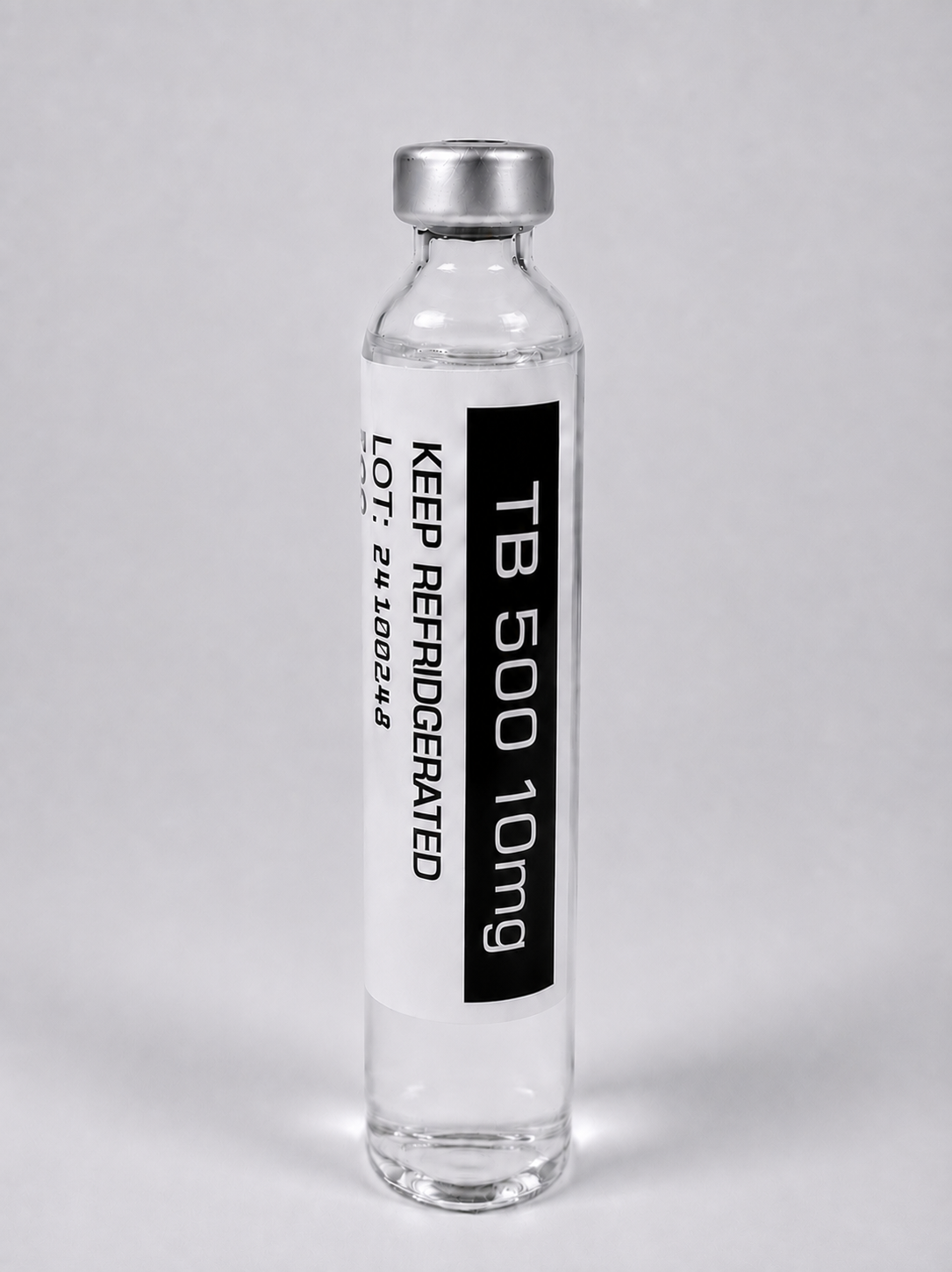
BioMuti offers MOTS-c 10mg as part of its research peptide catalogue, formulated and lyophilised to research-grade specifications. Each vial is third-party tested for purity (typically >98% by HPLC), peptide identity (confirmed by mass spectrometry), and the absence of endotoxin and microbial contamination. A certificate of analysis accompanies every batch.
For researchers building a longevity-focused protocol, MOTS-c is often studied alongside NAD+ for cellular energy support, Epithalon for telomere-related research, and Glutathione for antioxidant defence. The BioMuti research peptide catalogue and the dedicated wholesale programme serve both individual researchers and institutional clients in South Africa and the broader SADC region.
For related reading, see our guides on the BPC-157 evidence base, NAD+ and cellular energy, and the broader beginner's guide to research peptides.