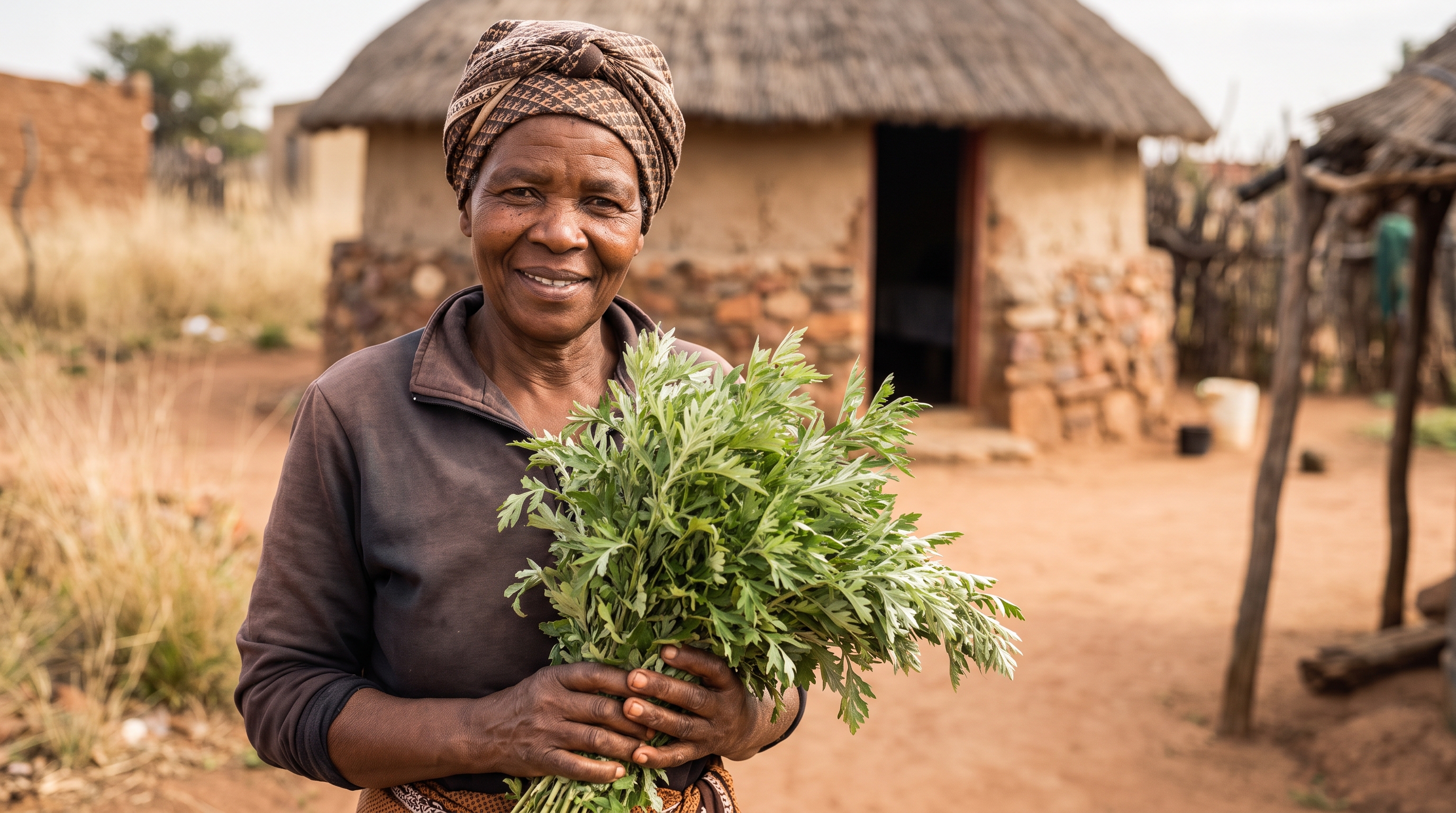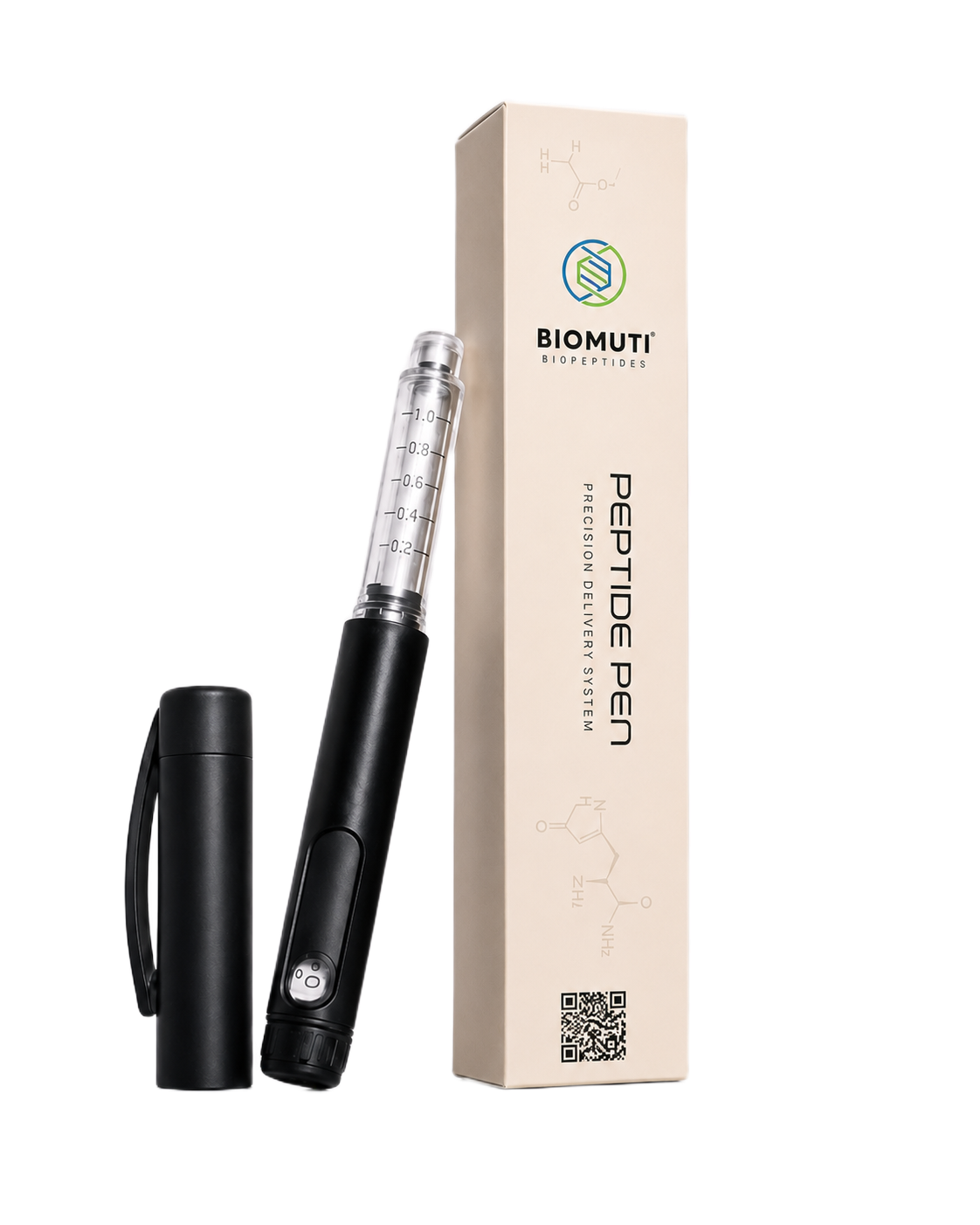
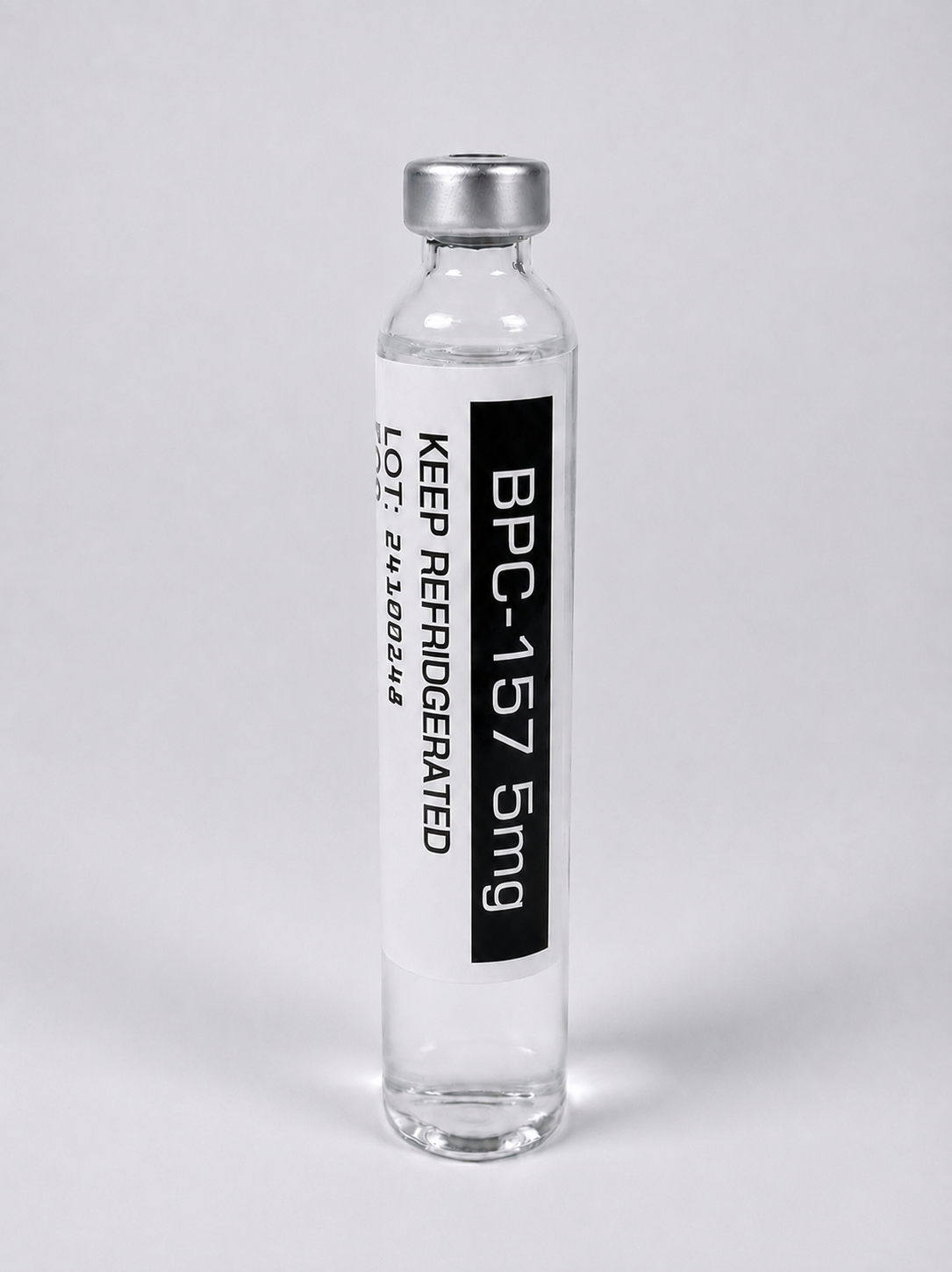
South Africa is one of the most botanically diverse countries on the planet, with three recognised biodiversity hotspots, more than 30,000 plant species, and an estimated 80% of African ethnobotanical knowledge sourced from its rural communities. Many of the plants South Africans grew up with — Rooibos, Buchu, Umckaloabo, Honeybush, Kanna, Devil's Claw, Cape Aloe — have generated a published clinical evidence base that, in several cases, is stronger than the imported herbs they often sit next to on the supplement shelf. This guide is for researchers, pharmacists, formulators, and informed patients who want to understand what the evidence actually says in 2026.
Where the published record exists, the citations below are linked to PubMed, PMC, the Cochrane Library and the Journal of Ethnopharmacology as the primary sources. The aim is to establish BioMuti as a go-to authority on SA indigenous botanicals — see our analysis of Pelargonium-based formulations and how they sit within the broader respiratory category.
1. Pelargonium Sidoides (Umckaloabo) — The Respiratory Herb With the Strongest Clinical Record
Pelargonium sidoides, the grey-leaved Pelargonium endemic to the Eastern Cape, has the most rigorous clinical evidence base of any South African botanical. A 2013 Cochrane review of Pelargonium for acute bronchitis concluded that standardised extract (EPs 7630) produced statistically significant symptom reduction versus placebo, with a favourable safety profile across multiple RCTs. The mechanism appears to be multi-modal: the umckalin and other coumarins drive mild antimicrobial activity, while the polyphenol fraction upregulates interferon and modulates the ciliary beat frequency of respiratory epithelium.
In South African practice, Pelargonium is taken at 30–60 drops of 1:8 tincture three times daily, or standardised dry extract at 20–30 mg three times daily in adults. BioMuti's Broncanol formulation uses a standardised extract with the same coumarin profile used in the published clinical trials. The plant is protected under wild-harvest protections in South Africa, so any commercially available Pelargonium should be sourced from a documented cultivated supplier — typically the Eastern Cape or Lesotho.
2. Buchu (Agathosma Betulina) — The Fynbos Anti-Inflammatory and Urinary-Tract Herb
Buchu is a small aromatic shrub in the Rutaceae family endemic to the Western Cape fynbos. Its traditional use for urinary tract and kidney complaints was the original therapeutic reason Dutch and Khoisan settlers collected it. Modern research summarised on PMC has focused on the diosphenol and pulegone components, which show clear anti-inflammatory and mild diuretic activity in vitro and in animal models. The lipophilic volatile oil also contributes to the antispasmodic effects observed in animal research.
Buchu oil is a regulated export product and is one of the few South African botanicals with a clear pharmacopoeial monograph. Buchu leaf tea (1–2 g infused in 250 mL water, up to three times daily) is the traditional preparation. BioMuti's Urivex formulation pairs Buchu with complementary cranberry and hibiscus fractions for a broader urinary-tract profile. Sustainability note: wild buchu is harvested under a regulated permit system coordinated by CapeNature, and ethically sourced Buchu should carry the valid permit documentation.
3. Rooibos (Aspalathus Linearis) — The Antioxidant South African Export
Rooibos (Aspalathus linearis) is grown almost exclusively in the Cederberg region of the Western Cape and is the single most economically significant South African botanical export. Its unique dihydrochalcone C-glucosides — aspalathin and nothofagin — are not found in significant amounts in any other dietary source. The published record covers over 200 studies on Rooibos extracts in oxidative stress, inflammation, and metabolic health, summarised in periodic reviews in the Journal of Ethnopharmacology.
The strongest mechanistic signal is at the cellular antioxidant level: Rooibos extracts upregulate superoxide dismutase, catalase, and glutathione peroxidase via the Nrf2/ARE pathway. It is also a credible applicant for metabolic-health research — aspalathin activates AMPK in skeletal muscle, the same pathway targeted by metformin. Practical doses in human research range from 1 to 6 cups of green (unfermented) Rooibos daily, or 200–400 mg of standardised extract. BioMuti's Rooibos antioxidant science guide walks through the mechanistic picture in more detail.
4. Honeybush (Cyclopia) — The Polyphenol-Rich Relative of Rooibos
Honeybush, also from the Western Cape fynbos, is the under-recognised cousin of Rooibos. Its distinctive hay-like aroma comes from the same fermentation process that gives it its distinctive sweet taste, while the polyphenol profile — including mangiferin, hesperidin, and the unique cyclopiane diterpenes — overlaps with Rooibos but with a different balance. A 2021 review on PubMed covers the phytochemistry and emerging clinical evidence, with specific data on phyto-oestrogenic activity and metabolic markers worth watching as the evidence base grows.
Honeybush is naturally caffeine-free and very low in tannins, making it one of the most tolerable South African herbal teas — a useful option where Rooibos is too bitter. Research-grade extracts are still hard to source commercially, so most current use is in traditional tea form. The plant is currently being developed under a research and development programme by the Agricultural Research Council and several Western Cape universities, and the next 24–36 months should see a sharper clinical picture emerge.
5. Sceletium (Kanna) — The Indigenous Anxiolytic
Sceletium tortuosum, traditionally chewed by the Khoisan as a mood-elevating and anxiolytic herb, has been the subject of strong preclinical and emerging clinical research over the past decade. The primary bioactive alkaloids — mesembrine, mesembrenone, mesembrenol — act as serotonin reuptake inhibitors and PDE4 inhibitors, with a 2020 review on PubMed summarising the anxiolytic and antidepressant-like signal in animal models and early human studies.
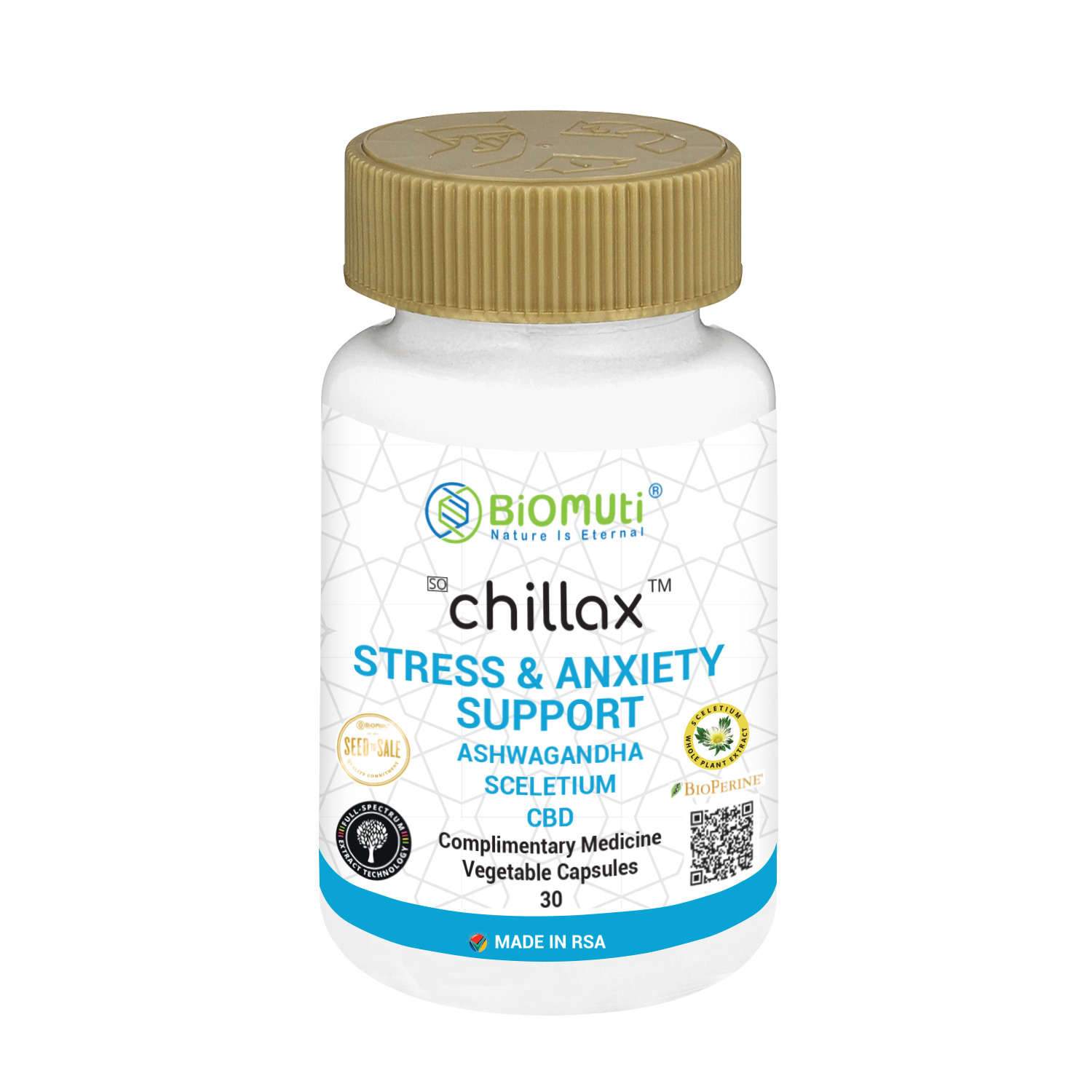
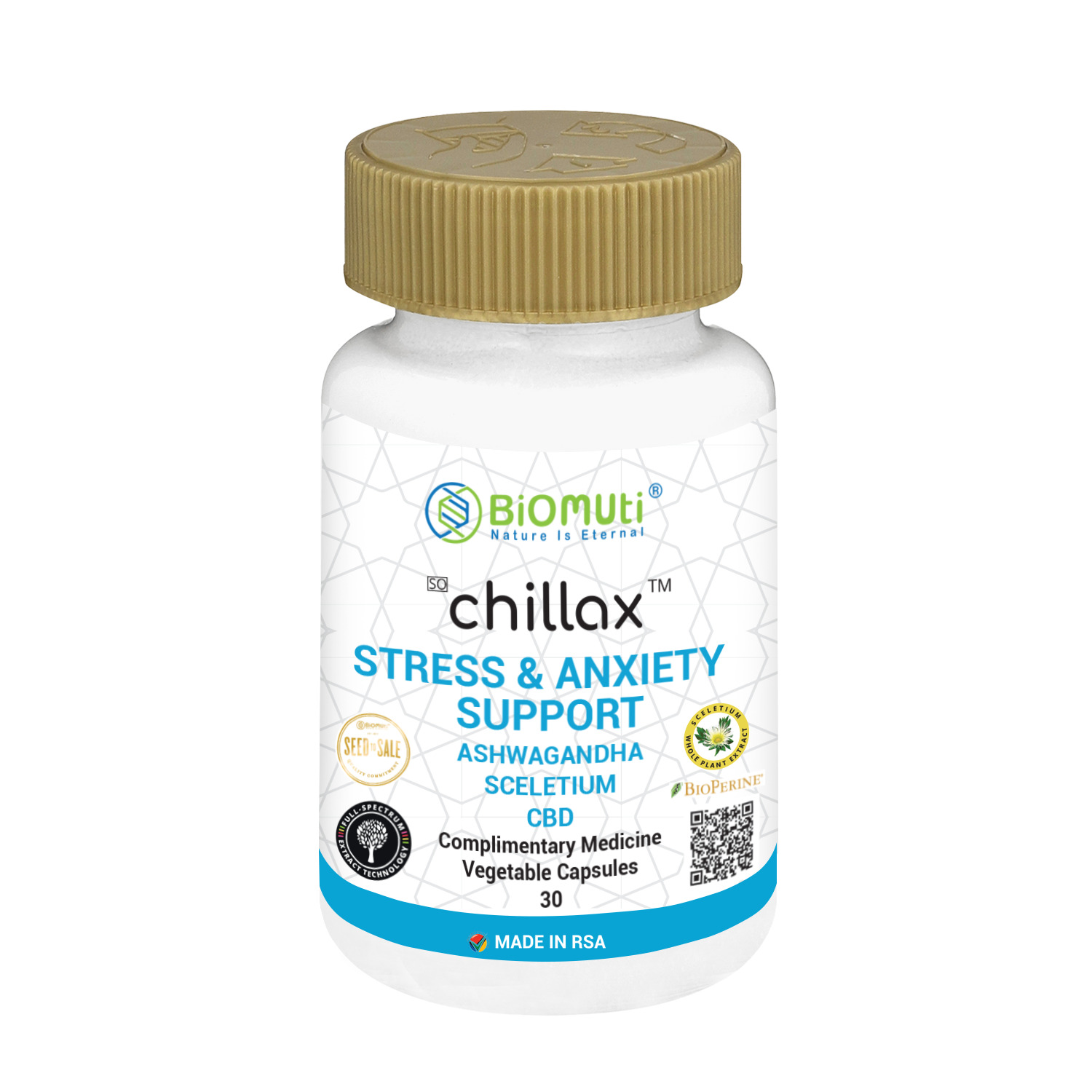
Standardised Sceletium extract (Zembrin) is taken at 25–50 mg once or twice daily, typically titrated up from the lower dose over a week. The herb is well tolerated, with rare reports of mild headache or dream vividness at higher doses. It is not sedating and does not impair cognition at recommended doses — a real differentiator from prescription anxiolytics. South African grown Sceletium is now available with EU novel-food approval, and BioMuti's Chillax formula incorporates a standardised Sceletium extract alongside complementary botanicals for daily stress resilience.
6. Cape Aloe (Aloe Ferox) — More Than a Laxative
Aloe ferox (Cape Aloe) is the bitter crystalline exudate of the leaf of the indigenous Cape Aloe, used in Europe as a registered laxative since 1650. The laxative action comes from the anthraquinone glycosides (aloin and derivatives), which stimulate peristalsis. Importantly, the gel fraction — distinct from the leaf exudate — has a very different chemistry and a separate clinical literature around wound healing and skin integrity, summarised in PubMed.
Cape Aloe leaf extract is a powerful stimulant laxative and is the active in many registered laxative products worldwide. The gel fraction is a different preparation and is used at lower doses for skin and gut-mucosal applications. Practitioners should be clear which fraction they are prescribing for which indication. The South African Aloe Council coordinates sustainable wild-harvesting in the Eastern and Western Cape.
7. Devil's Claw (Harpagophytum Procumbens) — The Cape Herbal Anti-Inflammatory
Devil's Claw is a Kalahari-native tuber with a strong published record for musculoskeletal pain. The harpagide and harpagoside fractions, both of them iridoid glycosides, show anti-inflammatory and analgesic activity in human clinical trials — a 2006 Cochrane review on Devil's Claw for osteoarthritis found consistent if modest benefit for low-back pain and osteoarthritis of the knee and hip, with a safety profile comparable to placebo.
Standardised Devil's Claw extract (Harpagosan) is taken at 600–1,200 mg daily, ideally with meals. It is well tolerated aside from occasional mild GI upset, and is not advised in active peptic ulcer disease or in patients on anticoagulants because of its potential to inhibit platelet aggregation. Devil's Claw is exported largely from sustainably managed wild-harvest operations in the Northern Cape, with growing cultivated production in Limpopo.
Why These Seven Botanicals Matter for South African Pharma Sovereignty
There is a pattern in the evidence above. With the partial exception of Pelargonium (which is largely exported as a German-manufactured registered product), all seven of these plants are grown on South African soil, and several of them grow nowhere else in the world. The clinical evidence base is uneven across the seven, but every one of them has published trials that justify a real therapeutic conversation. When the conversation is about local pharmaceutical sovereignty — the policy thread that runs through the Black Pharmacy Industry Association and the CTAA — this is the actual resource base. The country does not need to import equivalents of these plants. It needs to build the formulation, registration, and clinical-evidence capability to bring them to broader local and international markets.
BioMuti's broader R&D direction is built around this principle: source authentic South African botanicals where the clinical evidence supports the indication, formulate them against the same reference standards used in the published trials, and document the supply chain from farm to bottle. The seven plants in this guide are the most evidence-strong examples. There are several dozen more currently under investigation in the South African ethnobotanical literature, and the next few years will likely see the evidence base for several of them strengthen materially.
The Bottom Line for Researchers, Pharmacists, and Informed Patients
If you are a clinician formulating a respiratory protocol, a urinary-tract product, an antioxidant stack, an anxiolytic, a musculoskeletal recovery product, or a metabolic-health research project, the seven botanicals in this guide are credible primary candidates. Look for: clear standardisation (the active compound percentage on the label), a published Certificate of Analysis per batch, sourcing from a documented cultivated or permitted-harvest supplier, and a manufacturer who can cite the actual clinical trial evidence used to set the dose.
South Africa's indigenous botanical pharmacopoeia is genuinely world-class. The bottleneck is not the plants. It is the documentation, the clinical-trial funding, the registration pathways, and the local formulation capacity — exactly the gaps that BioMuti is built to close. The Journal of Ethnopharmacology indexes the deepest body of work, and the broader South African health review literature covers the policy and system-level context.
This article is for educational purposes only and does not constitute medical advice. No claims are made regarding the treatment, cure or prevention of any disease. Speak to a registered healthcare professional before starting any new supplement, especially if you are pregnant, breastfeeding, taking medication, or managing a chronic condition.