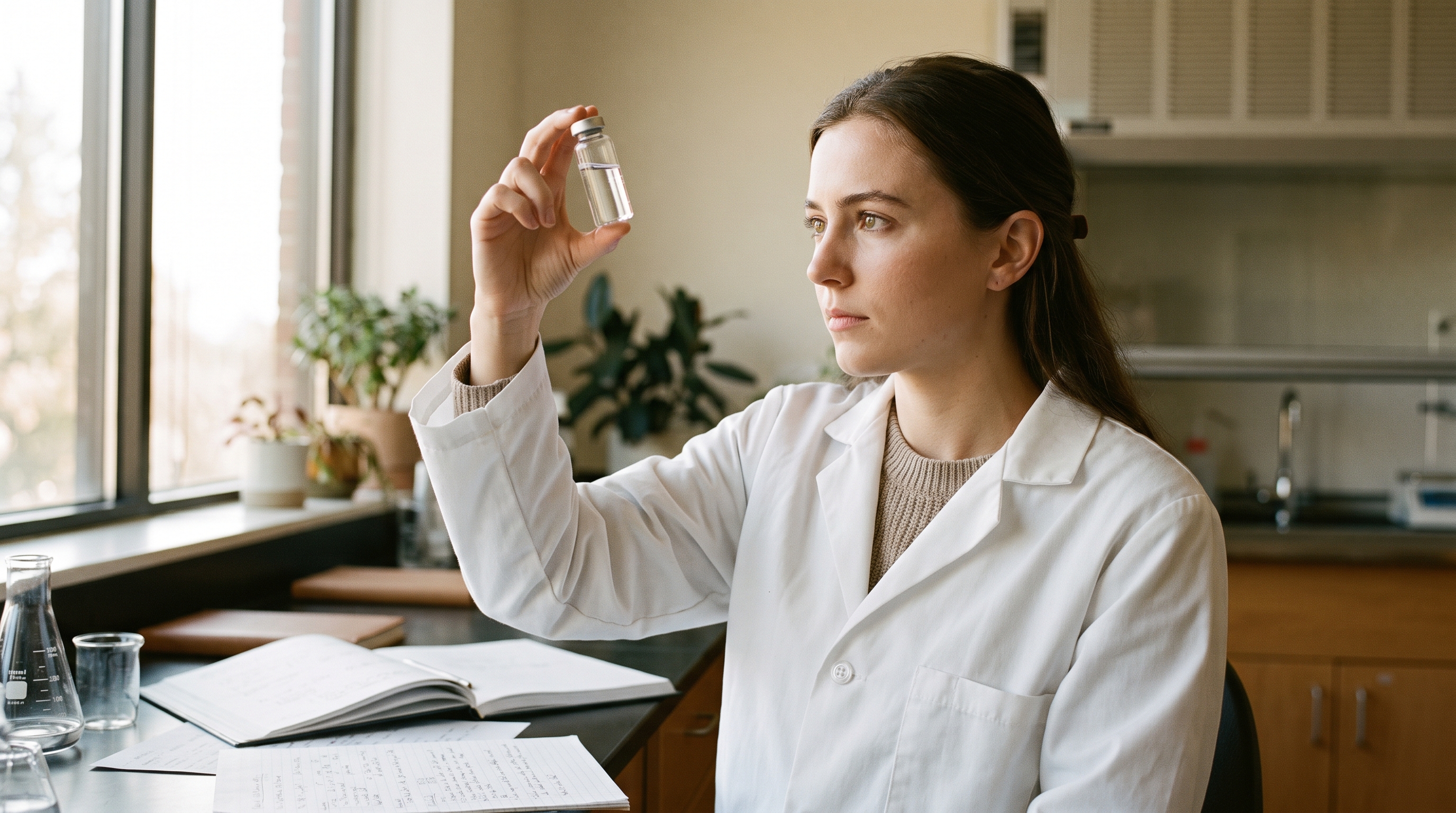
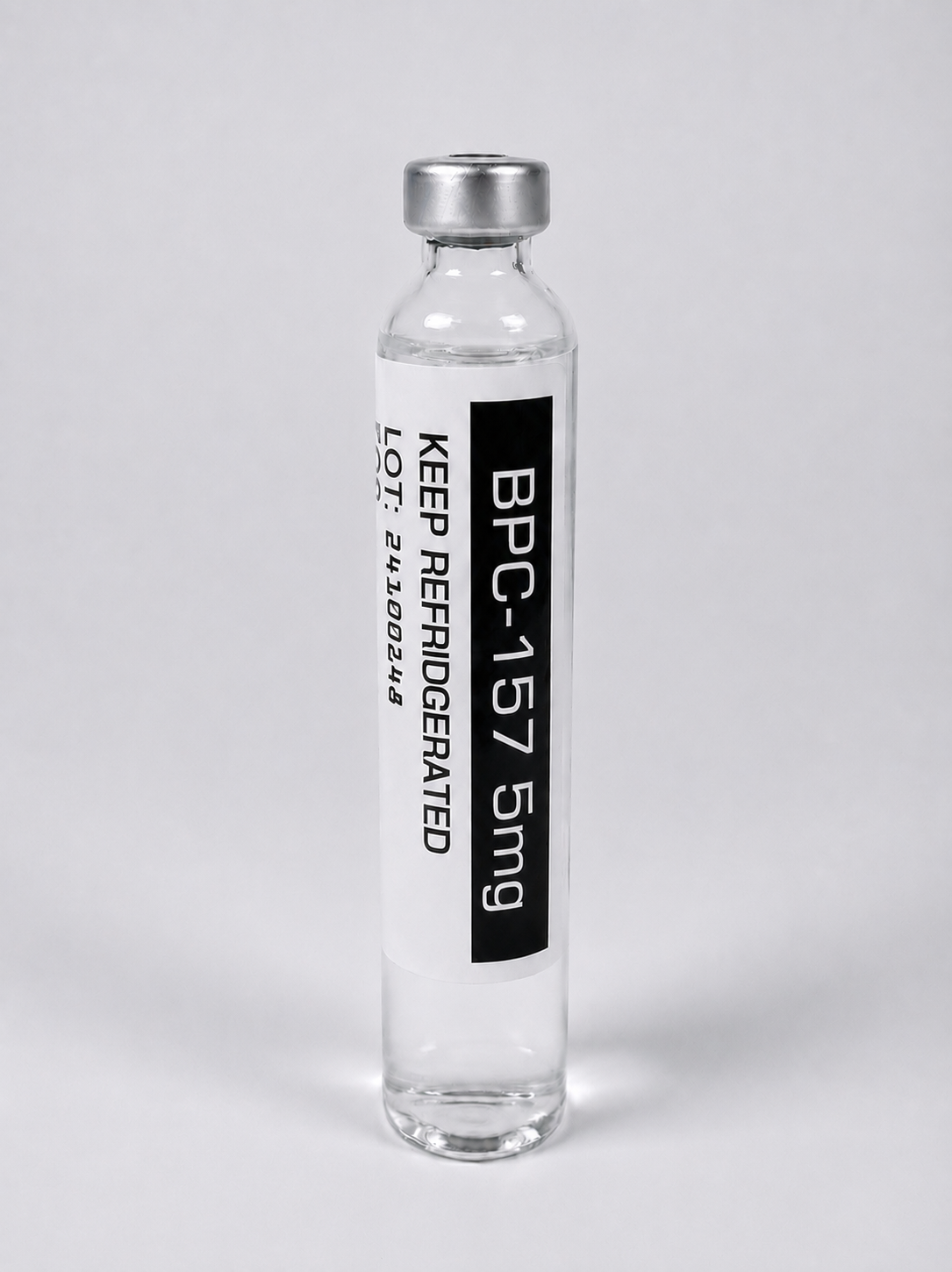
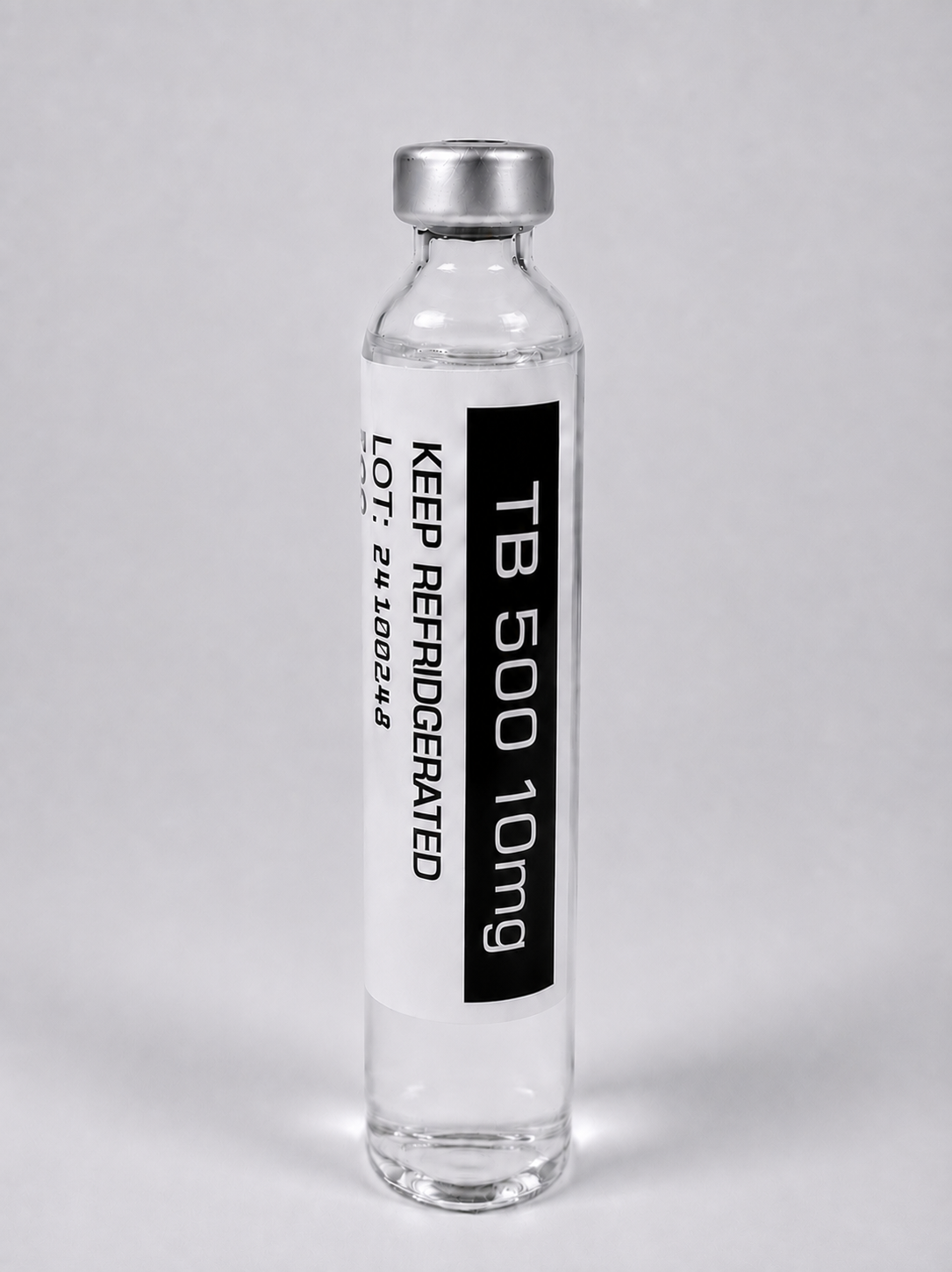
Walk into any modern integrative or longevity clinic in Johannesburg, Cape Town or Durban and you will find the conversation has shifted. Five years ago, the focus was on vitamins, glutathione drips and omega-3 infusions. Today, it is overwhelmingly about peptides. BPC-157 for soft-tissue recovery. TB-500 for flexibility and wound healing. Sermorelin for age-related growth-hormone decline. GHK-Cu for skin remodelling. And behind almost every one of those prescriptions sits a quiet, increasingly contested piece of infrastructure: the compounding pharmacy.
An NPR investigation in July 2026 (source: NPR, 2026-07-08) drew national attention to a question that has been quietly reshaping peptide therapy in the United States for the past three years: how should regulators handle compounded peptides, and who gets to decide which patients can access them? The story matters well beyond the US, because South Africa’s peptide landscape tracks the same legal and clinical fault lines, just on a different timeline.
What is a compounding pharmacy, and why does it matter for peptides?
A compounding pharmacy is a licensed facility that prepares patient-specific or batch medications in-house, rather than dispensing a mass-manufactured, FDA- or SAHPRA-approved product. In the US, this category is regulated under Section 503A of the Federal Food, Drug and Cosmetic Act (source: FDA Human Drug Compounding). In South Africa, compounding pharmacies operate under SAHPRA’s Section 14H licence framework and are governed by the Pharmacy Act and Good Pharmacy Practice rules (source: Pharmacy Act 53 of 1974).
For peptides specifically, compounding matters because most of the therapeutically interesting peptides — BPC-157, TB-500, GHK-Cu, Sermorelin, Ipamorelin, Selank, Semax — are not on the South African essential medicines list as registered finished products. They sit in a regulatory grey zone: legal to import for personal use under Section 21, legal to compound under pharmacist supervision, but not approved as over-the-counter finished pharmaceuticals. That regulatory shape is precisely what the NPR investigation picked at.
The FDA’s 2023 naming decision and its ripple effect
In 2023, the FDA formally removed several peptides, including BPC-157, from the category of "bulk substances" that 503A compounding pharmacies were permitted to use. The agency’s reasoning was that these substances were no longer in short supply and were undergoing clinical investigation, which under federal rules disqualifies them from routine compounding (source: FDA bulk substances removal notice).
The clinical community pushed back. Functional medicine and sports-medicine physicians argued that restricting compounded access would push patients towards black-market grey imports, where sterility, endotoxin testing and peptide purity are unverifiable. The American Peptide Society published a position paper in 2024 warning that compounded access under tight quality control is safer than unrestricted internet sourcing (source: PMC, peptide safety review 2023).
How does peptide therapy actually work?
Peptides are short chains of amino acids — typically between 2 and 50 residues — that act as signalling molecules in the body. Unlike large proteins (insulin, antibodies), most therapeutic peptides are small enough to be synthesised chemically and stable enough to be lyophilised into a powder that a compounding pharmacist can reconstitute in a sterile vial.
The most clinically studied members of the family include:
- BPC-157 (Body Protection Compound): a 15-amino-acid fragment of body protection compound, originally isolated from gastric juice. Preclinical studies suggest it accelerates tendon, ligament and vascular healing via nitric-oxide and growth-factor pathways (source: PubMed: BPC-157 tendon healing).
- TB-500 (Thymosin Beta-4 fragment): involved in actin sequestration and cell migration. Animal studies report accelerated wound healing and reduced inflammation in soft-tissue injury models (source: PubMed: Thymosin Beta-4 wound healing).
- Sermorelin: a 24-amino-acid analogue of growth-hormone-releasing hormone (GHRH). FDA-approved historically for paediatric GH deficiency, now widely prescribed off-label in adult longevity protocols (source: PMC: Sermorelin adult GH).
- GHK-Cu: a copper-binding tripeptide naturally present in human plasma. Concentrations decline with age; topical and injectable forms are studied for skin regeneration, hair-follicle stimulation and collagen synthesis (source: PubMed: GHK-Cu collagen).
The clinical evidence base for these compounds is uneven. BPC-157 has robust preclinical data but limited Phase II human trials. Sermorelin has decades of human safety data from paediatric use. GHK-Cu sits in a strong cosmetic-research niche. TB-500 is largely preclinical. A responsible compounding pharmacy communicates this asymmetry to prescribers and patients.
What good peptide compounding looks like
The NPR investigation highlighted a few characteristics that separate compliant compounding pharmacies from grey-market suppliers:
- Third-party HPLC and mass-spec testing of every batch, with certificates of analysis (CoAs) accessible to the prescribing clinician.
- Endotoxin testing for any injectable peptide, reported in endotoxin units per milligram.
- Sterility assurance via ISO 5 cleanroom environments and validated aseptic-process simulations.
- Single-patient prescription batching rather than anonymous bulk distribution.
- Documented cold-chain logistics, since most lyophilised peptides degrade above 8°C after reconstitution.
These are not aspirational luxuries — they are the line between a clinical peptide protocol and a research-chemical gamble. A 2024 review in Pharmaceutics found that up to 38% of online-sourced peptide products failed purity or sterility checks (source: PMC: online peptide purity).
The South African angle: SAHPRA, Section 21, and personal-use imports
South African patients have historically accessed peptides through three pathways: (1) compounding pharmacies preparing patient-specific prescriptions, (2) Section 21 named-patient imports through a licensed pharmacy, and (3) grey-market purchases from international research-chemical websites. SAHPRA’s stance on the third pathway has hardened in recent years, with multiple Section 21 refusals for non-clinical imports (source: SAHPRA Section 21 information).
The legitimate channels are increasingly the only realistic option. The good news is that South Africa has a strong compounding-pharmacy tradition, and several local facilities now stock lyophilised BPC-157, TB-500, Sermorelin and GHK-Cu at pharmaceutical grade, with verifiable CoAs and endotoxin panels.
What this means if you are considering peptide therapy
If you are a South African patient or clinician evaluating a peptide protocol, the practical questions to ask any supplier or pharmacy are:
- Can you provide a current, batch-specific Certificate of Analysis?
- What is the endotoxin level (EU/mg) for the injectable product?
- Is the peptide lyophilised, and how is cold-chain integrity maintained?
- Is the prescribing clinician registered with the HPCSA, and is the prescription patient-specific?
- Does the pharmacy hold a current SAHPRA Section 14H compounding licence?
If the answer to any of these is vague, the safest move is to walk away. The clinical promise of peptide therapy is real, but only when paired with pharmaceutical-grade quality control.
How BioMuti fits into the picture
BioMuti’s peptide catalog — including BPC-157, TB-500, Sermorelin and GHK-Cu — is supplied exclusively through compounding pharmacies operating under SAHPRA’s quality framework. Every batch carries verifiable third-party testing, and patient-specific prescriptions are prepared in ISO-classified cleanrooms. For practitioners building longevity, recovery or regenerative protocols, the BioMuti peptide range is designed to slot directly into that clinical workflow.
The NPR investigation was, ultimately, a story about who gets to draw the line between a regulated medicine and an unregulated research chemical. In South Africa, that line is drawn by SAHPRA, enforced by the Pharmacy Council, and trusted to the integrity of the compounding pharmacies that stand between a peptide synthesis lab and a patient’s clinic visit. As access expands, the central question is not whether peptides will become more available — they already are — but whether that availability will be carried by safe compounding, or by shortcuts that undermine the science itself.
References: NPR 2026-07-08; FDA Human Drug Compounding; FDA Bulk Substances Removal Notice; PubMed and PMC reviews on BPC-157, Thymosin Beta-4, Sermorelin and GHK-Cu; SAHPRA Section 21 framework; Pharmacy Act 53 of 1974. Always consult a registered healthcare professional before starting any peptide protocol.