




Magnesium glycinate has become a popular part of evening wellness routines, particularly for people trying to make better sleep habits stick. It is a form of magnesium bound to the amino acid glycine, and is often chosen because it is generally gentle on the digestive system. But a good supplement should complement the basics, not replace them. Here is what the evidence says, without the usual miracle language.
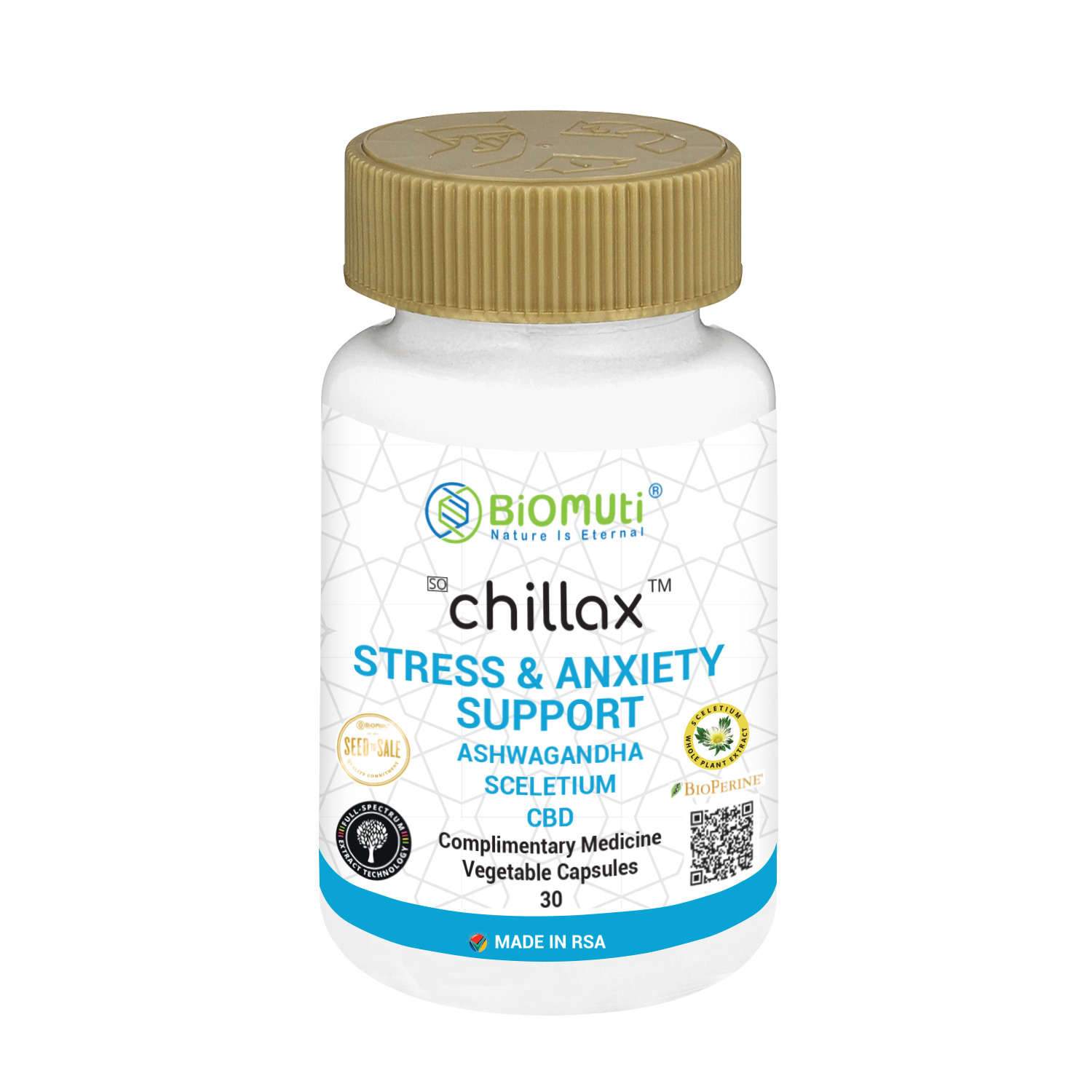
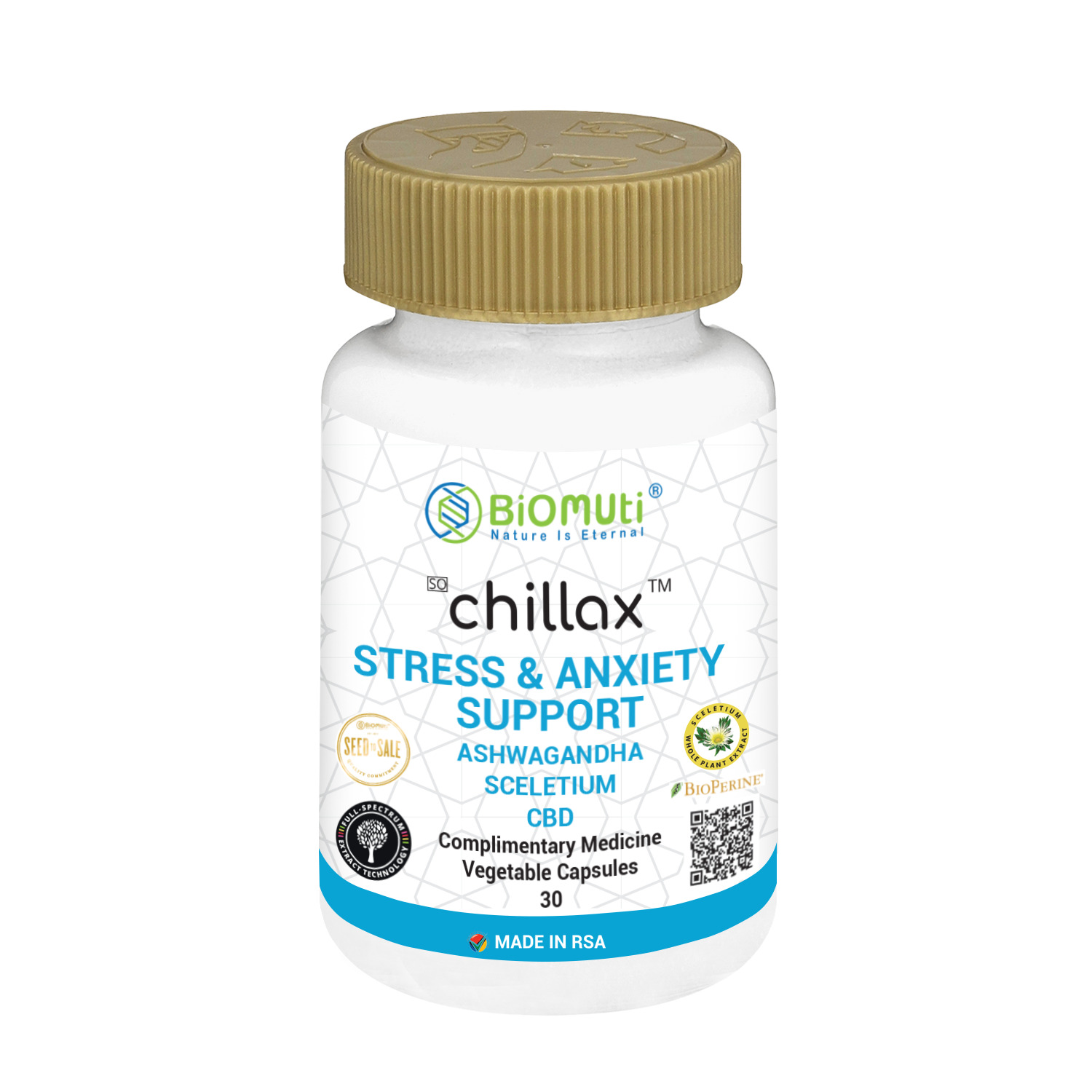
Magnesium is involved in hundreds of biochemical reactions, including normal muscle and nerve function and energy metabolism. If you are building a calmer night-time routine, BioMuti Chillax is one product people may consider alongside consistent sleep and relaxation habits. The formula should be viewed as part of a broader routine, not as a treatment for insomnia or anxiety.
Why magnesium matters
Magnesium helps regulate neuromuscular signalling and contributes to normal nervous-system function. The mineral also participates in the body's handling of vitamin D, glucose and cellular energy. Dietary sources include legumes, nuts, seeds, whole grains and dark leafy vegetables. In other words, the first step is not another tub on the shelf: it is a varied diet.
Magnesium status can be difficult to assess from a single blood test because much of the body's magnesium is stored in bone and tissue rather than circulating in blood. That makes symptoms alone a poor basis for self-diagnosis. A healthcare professional can interpret diet, medicines, medical history and laboratory results together.
What does the sleep research show?
A systematic review indexed on PubMed found that magnesium supplementation has been studied in relation to sleep quality, sleep duration and sleep onset, especially in older adults. The overall signal is promising but not definitive: studies are often small, use different magnesium preparations, and measure sleep in different ways.
A randomised clinical trial available through PMC reported improvements in several subjective sleep measures among older adults with insomnia after magnesium supplementation. However, the findings should not be stretched into a guarantee for every person or every product. Sleep is influenced by light exposure, caffeine, alcohol, stress, pain, breathing disorders and many other factors.
Why choose magnesium glycinate?
Magnesium glycinate combines magnesium with glycine. This differs from forms such as magnesium citrate or oxide, which have different absorption and gastrointestinal profiles. Glycinate is commonly selected by adults who want a non-laxative option, although individual tolerance still varies. The label's elemental magnesium amount matters more than the total weight of the compound, so compare products using the elemental figure.
Glycine itself is also being researched for sleep-related effects, but that does not mean every magnesium glycinate product delivers a clinically meaningful glycine dose. Marketing often turns a plausible mechanism into a certainty. Science is less theatrical.
How to use it sensibly
Follow the serving information on the product label and avoid treating a higher dose as a shortcut to better results. Taking magnesium with food may improve comfort. An evening serving can fit naturally after dinner, but timing is less important than consistency and total intake. If sleep problems persist, investigate the cause rather than repeatedly increasing a supplement.
Build the routine around a regular wake time, a dimmer and cooler bedroom, reduced late-day caffeine, and a short wind-down period without work notifications. These habits have a stronger practical foundation than any single ingredient. A supplement may be useful as a reminder that the day is ending, which is a behavioural benefit rather than a pharmacological promise.
Safety, interactions and South African context
Magnesium supplements can cause diarrhoea, nausea or abdominal cramping, especially at higher doses. People with impaired kidney function should seek medical advice before using supplemental magnesium because the kidneys help remove excess mineral. Magnesium can also interfere with absorption of certain antibiotics and thyroid medicines, so spacing and professional guidance may be needed.
In South Africa, complementary medicines and health supplements must be marketed within applicable SAHPRA guidance. Responsible communication avoids claims that a product treats insomnia, anxiety, depression or any other disease. Choose a reputable supplier, check the ingredient panel, and look for quality and testing information. If you are pregnant, breastfeeding, managing a chronic condition or taking prescription medicine, ask a registered healthcare professional before starting a supplement.
The practical takeaway
Magnesium glycinate is a reasonable option to discuss when diet, routine and personal health needs point towards magnesium supplementation. The research around magnesium and sleep is encouraging but still mixed, and it does not justify guaranteed outcomes. Used thoughtfully, BioMuti Chillax can sit within a wider evening ritual focused on consistency, recovery and realistic expectations.
This article is for educational purposes only and does not constitute medical advice. No claims are made regarding the treatment, cure or prevention of any disease. Speak to a registered healthcare professional before starting any new supplement, especially if you are pregnant, breastfeeding, taking medication, or managing a chronic condition.